
How to Enhance Security for Dallas’s Community Centers
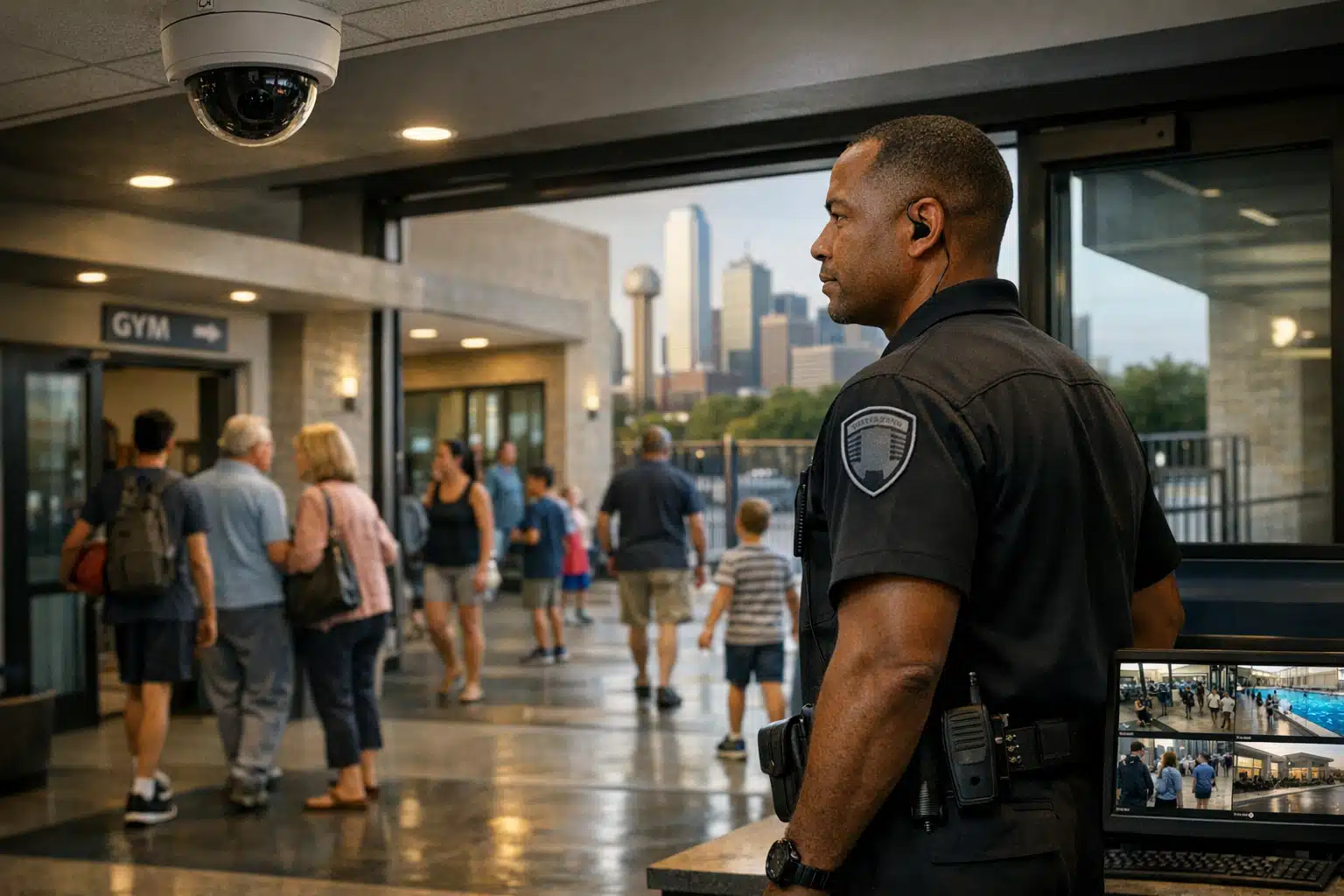
Dallas community centers can improve security by addressing gaps created by high foot traffic, open-door access, parking lots, and event crowds. Effective strategies include installing surveillance cameras, implementing visitor check-in systems, adding access control at entry points, increasing security personnel during peak hours, and improving lighting in parking areas and common spaces.
Dallas recreation centers logged thousands of visitors each week in 2023, from after-school programs to weekend quinceañeras. That foot traffic makes community center security a real concern for facility managers across the metro. Open-door access, parking lots, and event crowds create gaps that a single front-desk attendant cannot cover.
This post breaks down practical measures for protecting public gathering spaces in Dallas. You get specific tactics, cost comparisons, and local response factors you can act on.
Why Community Center Security Demands a Different Playbook
Community centers are not office buildings. They invite the public in by design, which widens the exposure most access-control systems are built to shrink.
A Dallas rec center might host a toddler swim class at 10 a.m. and a 300-person graduation party at 7 p.m. Each event carries different risks and crowd levels.
Three traits set these facilities apart:
- Mixed-age crowds — children, seniors, and teens share the same space at once.
- Unpredictable schedules — rentals and drop-in programs change the headcount hour by hour.
- Multiple entry points — gyms, pools, and meeting rooms each need their own watch.
Protecting people in these settings means planning for fluid, high-volume access rather than locked perimeters.
Dallas Crime Data Facility Managers Should Know
Property crime drives most incidents at public venues. Dallas reported more than 90,000 property crime offenses in 2023, per city crime analytics.
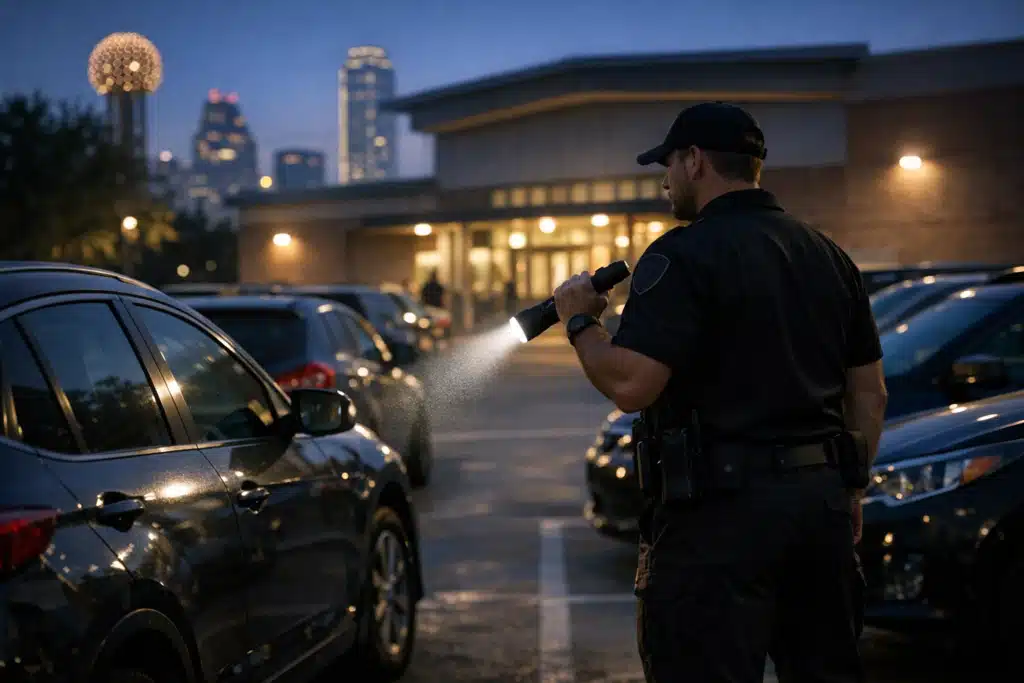
Theft from parking lots ranks among the most common complaints at recreation sites. Vehicle break-ins spike during evening events when lots fill and lighting runs thin.
Vandalism and after-hours trespassing add to the tally. Empty centers between 11 p.m. and 5 a.m. draw graffiti, copper theft, and HVAC damage.
Knowing when and where incidents cluster lets you place coverage with intent. Guards and cameras do the most good at entrances, parking lots, and equipment rooms.
On-Site Guards vs. Remote Video Surveillance: A Cost Comparison
Both models protect community centers, but they fit different budgets and risk profiles. Here is how they compare for a Dallas facility.
On-Site Security Guards
A uniformed guard gives a visible deterrent and an immediate human response. Staff and visitors feel calmer when someone is present at the door.
Guards work best during high-traffic hours and large events. One officer can check bags, manage crowd flow, and intervene in disputes.
Expect hourly rates in the Dallas market. Round-the-clock coverage runs higher because it requires multiple shifts and relief officers.
Remote Video Surveillance
Remote video surveillance uses networked cameras monitored by trained operators off-site. When a camera flags motion after hours, an operator views the feed live.
Operators can issue a voice-down warning over on-site speakers. That audio challenge stops most trespassers before they act.
Monitoring costs less than a full guard roster for overnight coverage. One monitoring center watches many cameras at once, which spreads the cost.
Which Model Fits Your Center?
- Daytime programs and events — on-site guards for crowd control and visible presence.
- Overnight and weekend closures — remote video surveillance for empty-building coverage.
- Large festivals or rentals — a mix of both, with guards at doors and cameras on lots.
Many Dallas centers pair a daytime guard with overnight monitoring. The combination covers peak crowds and quiet hours without paying for guards around the clock.
Steps for Enhancing Safety at a Dallas Community Center
To improve protection at a public center, work in this order:
- Map your entry points. List every door, gate, and window that opens to the public or staff.
- Audit your lighting. Dark parking lots invite break-ins; add fixtures at every row and entrance.
- Place cameras at choke points. Cover entrances, hallways, cash-handling areas, and equipment storage.
- Set event-specific staffing. Add guards for rentals above 100 people or late-night functions.
- Write an incident response plan. Define who calls 911, who clears the room, and who meets police.
- Review monthly footage. Spot patterns in trespassing or theft and adjust coverage.
Each step builds on the last. Mapping access first tells you where cameras and guards earn their keep.
How Local Response Time Protects Dallas Facilities
Response speed decides whether an incident ends in a warning or a loss. A monitoring operator who catches trespassers at the fence stops the break-in before it starts.
Dallas 911 call volume strains police response during peak hours. A remote operator who dispatches with live video gives responders a verified, priority report.
Verified alarms move faster than blind ones. When an operator confirms a person on-site, officers treat the call as a crime in progress, not a false trip.
That verification matters for public centers near busy corridors. Faster response keeps staff and visitors out of harm’s way.

 Posted on Google
Protecting the People Who Gather There
Community centers exist for connection. Security should guard that purpose, not smother it.
Good coverage stays visible enough to reassure and quiet enough to welcome. A friendly guard at the door signals safety to a parent dropping off a child.
Cameras and operators handle the hours when no one is watching. Together they cover both the crowded afternoon and the empty midnight.
The goal is a center where families return without a second thought. Enhancing safety at public spaces means balancing open access with steady watchfulness.
Common Mistakes Dallas Facility Managers Make
Avoid these gaps that leave community centers exposed:
- Relying on recorded-only cameras. Footage reviewed after a crime cannot stop it.
- Ignoring parking lots. Most vehicle crimes happen where cameras rarely point.
- Understaffing large rentals. One attendant cannot manage a 250-person event.
- Skipping maintenance. A dead camera or broken light defeats the whole plan.
Fixing these early costs far less than recovering from a break-in or an injury claim.
Build a Security Plan for Your Center
Protecting a public gathering space in Dallas takes the right mix of on-site presence and remote monitoring. Guards cover crowds and events; video surveillance covers the quiet hours when buildings sit empty. A plan built around your entry points, crowds, and closing times keeps families safe without closing the doors that make a center work.
Twin City Security Dallas assesses community centers across the metro and builds coverage around real traffic patterns. Call or text 972‑385‑1144, email Dallas@twincitysecurity.com, or visit https://www.twincitysecuritydallas.com for a Dallas security assessment or monitoring quote.
Sources
- City of Dallas – Dallas Open Data Crime Analytics
- FBI – Uniform Crime Reporting (UCR) Program
- CISA – Physical Security Resources
Dallas recreation centers face unique security challenges due to high foot traffic, mixed-age crowds, and multiple entry points. This guide covers practical measures including on-site guards, remote video surveillance, and cost comparisons for facility managers.
- Community centers differ from office buildings because they invite the public in by design - hosting everything from toddler swim classes to 300-person parties with unpredictable schedules and varied risk levels.
- On-site guards work best during high-traffic hours for visible deterrence and crowd control while remote video surveillance offers cost-effective overnight coverage with live monitoring and voice-down warnings.
- Common mistakes include relying on recorded-only cameras that cannot prevent crimes, ignoring parking lot coverage where most vehicle break-ins occur, and understaffing large rental events.