
How to Conduct Effective Security Audits for Dallas Businesses
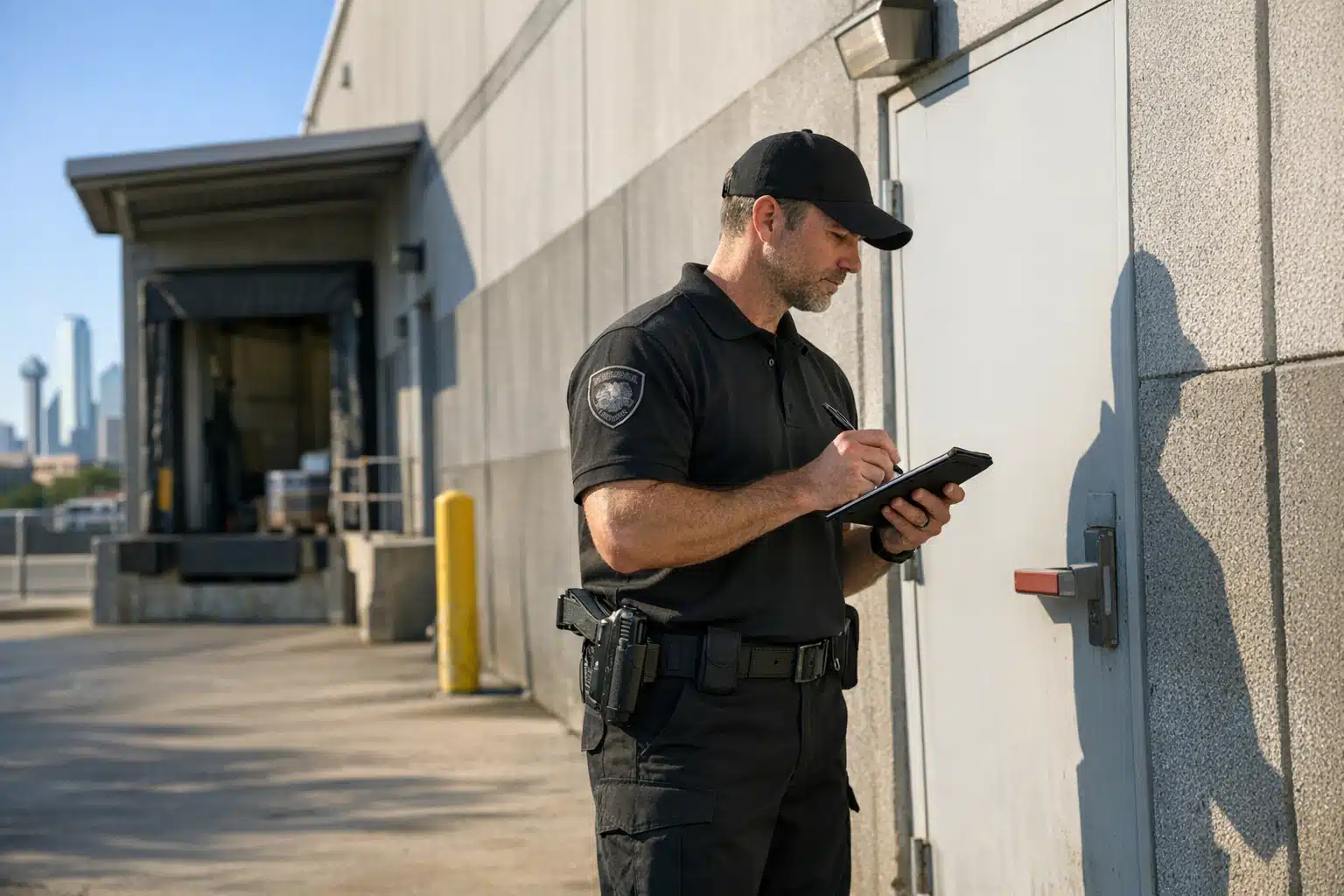
To conduct effective security audits for Dallas businesses, start by evaluating physical entry points, surveillance coverage, and access control systems. Review employee security protocols and incident response procedures. Assess lighting in parking areas and building perimeters. Document all findings, prioritize risks based on likelihood and impact, then create an action plan with timelines for addressing each vulnerability.
Dallas property crimes increased 12% in the past year, making regular security audits more critical than ever for local businesses. Whether you operate a warehouse in the Design District or manage retail locations across North Dallas, systematic security evaluations help identify vulnerabilities before they become costly incidents.
A thorough security audit examines your current protection measures, identifies weak points, and creates actionable improvement plans. For Dallas businesses facing rising break-ins and theft, these assessments serve as your first line of defense against financial losses and safety risks.
Core Components of Effective Security Audits
Security audits require structured evaluation of three main areas: physical security, technology systems, and operational procedures. Each component reveals different types of vulnerabilities that criminals exploit.
Physical Security Assessment
Start your audit by walking the entire property perimeter during daylight hours. Document every potential entry point including loading docks, emergency exits, and roof access points that many Dallas businesses overlook.
Check fence conditions around your property. Summer heat and winter freezes damage chain-link and wooden barriers, creating gaps that intruders use. Look for sections where vehicles could breach perimeter barriers.
Examine all doors and windows for proper locks, working sensors, and structural integrity. Many older Dallas commercial buildings have outdated locking mechanisms that determined thieves defeat within minutes.
Lighting and Visibility Evaluation
Poor lighting creates blind spots where criminal activity occurs undetected. Walk your property after dark to identify areas where shadows provide cover for unauthorized access.
Focus on these high-risk zones:
- Loading dock areas where delivery trucks block sight lines
- Parking areas furthest from main buildings
- Side entrances used by employees but rarely monitored
- Storage areas containing valuable equipment or inventory
LED security lighting reduces energy costs while improving visibility. Motion-activated lights startle intruders and alert nearby personnel to suspicious activity.
Technology Systems Review for Dallas Security Audits
Modern security depends heavily on camera systems, access controls, and alarm networks. Your audit must evaluate each system’s effectiveness and integration capabilities.

Camera System Analysis
Review camera placement to eliminate blind spots that criminals exploit. Many Dallas businesses position cameras to monitor obvious areas but miss critical zones like employee entrances and utility access points.
Test camera image quality during different lighting conditions. Cameras that produce clear daytime footage might fail during evening hours when most break-ins occur.
Verify remote viewing capabilities work properly on mobile devices. Business owners need access to live feeds from anywhere to respond quickly to security alerts.
Access Control Effectiveness
Audit your key card or code systems for unauthorized access points. Former employees sometimes retain access credentials, creating security vulnerabilities that business owners never detect.
Review access logs to identify unusual entry patterns. Multiple late-night entries by the same person might indicate legitimate overtime work or potential internal theft.
Alarm System Integration
Test alarm response times by triggering sensors during normal business hours. Dallas police response varies by location and time of day, affecting how quickly help arrives during real emergencies.
Verify backup power systems function during outages. Summer storms and winter ice frequently disrupt Dallas-area power grids, disabling security systems when properties are most vulnerable.
Operational Security Procedures Assessment
Human factors create the biggest security gaps in most Dallas businesses. Employee procedures, vendor access, and cash handling practices require careful evaluation.
Employee Security Protocols
Observe how employees handle building access during shift changes. Propping doors open for convenience creates opportunities for unauthorized entry that many managers never notice.
Review employee parking patterns and walking routes after dark. Isolated parking areas put staff at risk and might deter good employees from working evening shifts.
Document who has keys or access codes to sensitive areas. Many businesses lose track of key distribution over time, leaving them unsure who can access valuable inventory or equipment.
Vendor and Visitor Management
Track how delivery drivers and service technicians access your property. Unsupervised vendor access provides cover for theft or allows criminals to case your facility for future break-ins.
Create visitor log procedures that account for everyone entering your building. Simple sign-in sheets help track who was present if incidents occur later.
Eight-Step Dallas Business Security Audit Process
Follow this systematic approach to conduct thorough security evaluations at your Dallas location:
- Schedule the audit during both day and night hours to observe security effectiveness under different conditions
- Map your property including all buildings, parking areas, storage zones, and perimeter boundaries
- Test all security systems including cameras, alarms, lighting, and access controls
- Interview key employees about security concerns and incidents they’ve witnessed
- Review incident reports from the past 12 months to identify patterns or recurring problems
- Assess neighboring properties for crime activity that might affect your location
- Document all findings with photos and detailed notes about vulnerabilities discovered
- Create improvement timeline prioritizing the most serious security gaps for immediate attention
Timing Your Security Audit
Conduct audits during peak business hours and after closing time. Criminal behavior changes based on activity levels, so your security needs differ throughout the day.
Schedule follow-up evaluations every six months. Dallas neighborhoods change rapidly as new developments alter traffic patterns and bring different security challenges.

 Posted on Google
Common Security Vulnerabilities in Dallas Commercial Properties
Local crime patterns reveal specific weaknesses that affect Dallas-area businesses more than other regions.
Construction Site Security Issues
Dallas construction sites lose millions in equipment theft annually because temporary fencing and basic padlocks provide insufficient protection. Copper wire theft peaks during summer months when construction activity increases.
Remote surveillance systems protect unmanned sites more effectively than periodic security patrols. Criminals watch patrol schedules and time their activities between guard visits.
Retail Location Vulnerabilities
Shopping centers and standalone retail stores face organized retail crime that targets specific merchandise during busy periods. Holiday seasons see increased grab-and-run incidents that overwhelm individual store security measures.
Back-of-house areas where employees take breaks often lack adequate monitoring, creating opportunities for internal theft that many managers never detect.
Office Building Security Gaps
Multi-tenant office buildings struggle with access control because legitimate visitors might access any business in the complex. Criminals exploit this confusion to enter restricted areas unchallenged.
Parking garages attached to office buildings create particular vulnerabilities during early morning and late evening hours when few people are present to witness criminal activity.
Implementing Audit Recommendations
Security audits only provide value when businesses act on the findings. Prioritize improvements based on risk level and implementation costs.
Immediate Action Items
Address lighting deficiencies and visible security gaps within 30 days. These improvements cost relatively little but provide immediate deterrent effects that reduce crime risk.
Update access codes and retrieve unused key cards from former employees. Simple administrative changes eliminate many internal security vulnerabilities.
Medium-Term Improvements
Install or upgrade camera systems based on blind spots identified during your audit. Modern IP cameras provide better image quality and remote access capabilities than older analog systems.
Implement formal visitor management procedures including sign-in requirements and escort policies for sensitive areas.
Long-Term Security Enhancements
Consider professional security guard placement at high-risk locations or during vulnerable hours. On-site security personnel respond immediately to incidents and provide visible deterrent presence.
Evaluate remote monitoring services that provide 24/7 surveillance coverage without the expense of full-time guard staffing.
When to Hire Professional Security Assessment Services
Complex properties or businesses with previous security incidents benefit from expert evaluation beyond internal audits.
Professional security assessments identify vulnerabilities that untrained observers miss. Experienced security professionals understand criminal methods and recognize subtle signs of potential problems.
Large facilities, multi-location businesses, and companies handling valuable inventory need comprehensive security evaluations that consider operational requirements alongside protection needs.
Regular security audits protect Dallas businesses from increasing crime rates while creating safer environments for employees and customers. Systematic evaluation of physical security, technology systems, and operational procedures reveals vulnerabilities before they result in costly incidents.
Contact Twin City Security Dallas at 972-385-1144 for professional security assessments that identify specific vulnerabilities at your location and create actionable improvement plans designed for Dallas-area businesses.
Sources
- Dallas Police Department – Crime Statistics and Reports
- Bureau of Justice Statistics – Commercial Victimization
- ASIS International – Security Assessment Guidelines
Dallas property crimes rose 12% last year, making regular security audits more important for local businesses. Systematic evaluations help identify vulnerabilities before they lead to costly incidents.
- A thorough audit examines three main areas - physical security, technology systems, and operational procedures. Walk the property perimeter during day and night hours to document entry points, check fence conditions, and test lighting effectiveness.
- Camera placement, access control systems, and alarm response times need regular testing. Former employees may retain access credentials, and backup power systems should function during outages common in Dallas weather.
- Human factors create the biggest security gaps. Employee door-propping habits, unsupervised vendor access, and poor key tracking require evaluation. Conduct audits every six months as neighborhoods change.