
Preventing Theft in Dallas Retail Stores: Effective Strategies
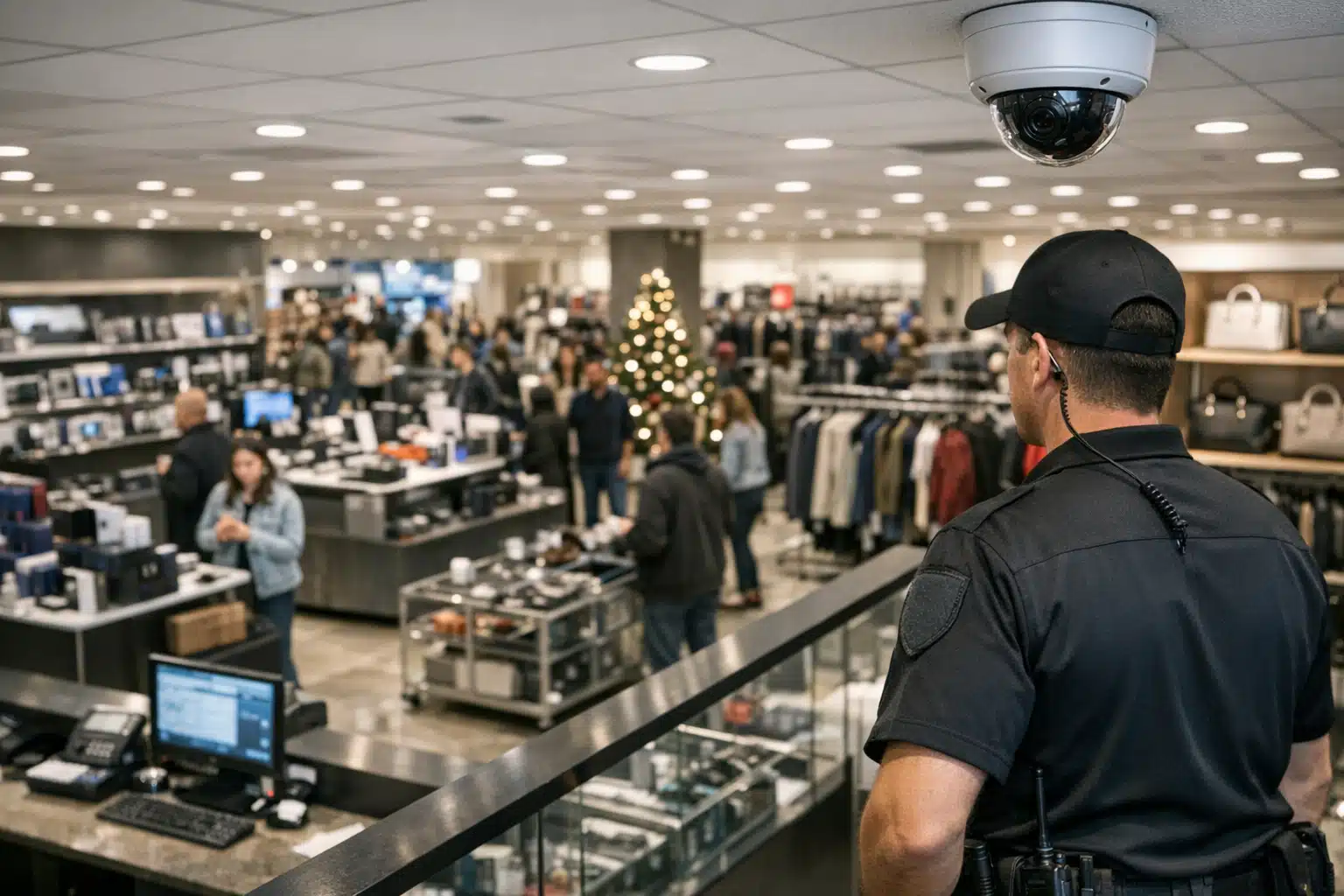
Preventing theft in Dallas retail stores requires a layered approach combining physical deterrents, technology, and trained staff. Effective strategies include installing visible security cameras, using electronic article surveillance tags, positioning employees near high-risk areas, and implementing inventory management systems. Training staff to recognize suspicious behavior and maintaining organized store layouts also help reduce shoplifting and employee theft.
Dallas retailers face theft losses exceeding $2.3 billion annually, making effective theft prevention a critical business priority. Store owners across the metro area struggle with shoplifting, employee theft, and organized retail crime that can devastate profit margins. Smart security strategies combine physical deterrents, technology, and trained personnel to create multiple barriers against theft.
The right approach protects your inventory while maintaining a welcoming shopping environment for legitimate customers. Dallas retail businesses need security measures designed for local crime patterns and quick police response coordination.
Understanding Dallas Retail Theft Patterns
Retail theft in Dallas follows predictable patterns that smart business owners can anticipate. Peak theft times occur during lunch hours (11 AM – 2 PM) and evening rushes (5 PM – 7 PM) when stores are busiest and staff attention is divided.
High-value, small items face the greatest risk. Electronics, cosmetics, jewelry, and designer clothing top theft lists across Dallas shopping centers. Organized retail crime groups target specific merchandise they can resell quickly online or through fencing operations.
Employee theft accounts for 35% of retail losses locally. Internal theft often involves cash register manipulation, fraudulent returns, or merchandise removal during closing procedures. Unlike shoplifting, employee theft can continue undetected for months.
Seasonal Theft Spikes
Dallas retailers see theft increase 40% during holiday shopping seasons from November through January. Back-to-school periods in August and graduation seasons in May create secondary spikes. Summer months bring increased juvenile shoplifting when school is out.
Physical Security Measures for Theft Prevention
Effective physical security starts with store layout design that eliminates blind spots and creates natural surveillance zones. Position high-theft items within direct sight lines of cash registers or customer service counters.
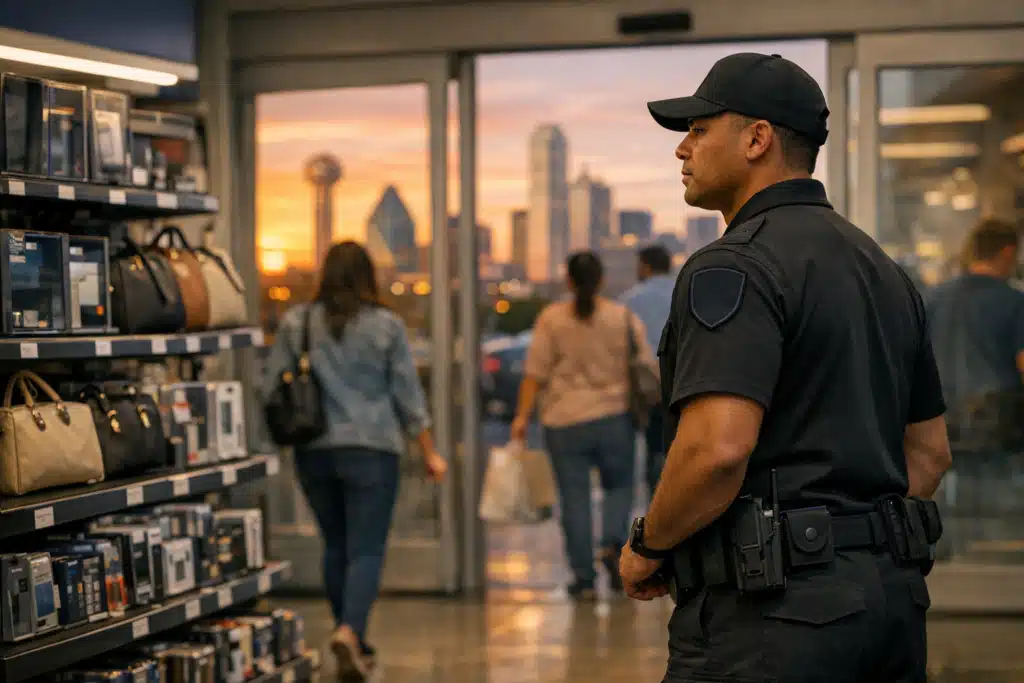
Strategic mirror placement extends visibility around corners and down aisles where staff cannot maintain constant visual contact. Convex mirrors cost under $50 each but provide surveillance coverage equal to multiple security cameras in many situations.
Access Control Points
Limit store entry and exit points during peak theft hours. Single-point entry/exit funnels all customer traffic past staff positions where suspicious behavior becomes more apparent. Electronic article surveillance (EAS) gates at exits detect unpaid merchandise before thieves leave the premises.
Secure storage areas require separate access controls. Employee-only zones should use keypad locks or card readers that create audit trails. Change access codes monthly and immediately after employee departures.
Merchandise Protection Strategies
- Spider wraps: Secure high-value electronics and remove only at checkout
- Locked display cases: Protect jewelry, phones, and expensive cosmetics
- Security tags: Attach to clothing and soft goods over $50
- Keeper boxes: Hard plastic cases for small valuable items like razor blades
- Cable locks: Tether display models to fixtures
Technology-Based Theft Prevention Systems
Modern theft prevention relies on integrated technology systems that provide real-time alerts and evidence collection. Digital surveillance cameras with high-definition recording capture facial details needed for prosecution and police investigations.
Smart cameras with motion detection and facial recognition can identify known shoplifters when they enter your store. These systems send instant alerts to your phone or security monitoring center, enabling immediate response before theft occurs.
Remote Video Monitoring
Remote video monitoring provides 24/7 surveillance without the cost of full-time on-site security guards. Trained operators watch your store cameras in real-time and can activate two-way audio to deter suspicious behavior immediately.
This system works exceptionally well for Dallas retail locations during off-peak hours when staffing is minimal. Remote operators can contact police directly and provide live updates during theft incidents, reducing response times from 8 minutes to under 4 minutes in many Dallas neighborhoods.
Point-of-Sale Integration
Connect your security cameras to point-of-sale systems to flag unusual transactions automatically. The system records video whenever voids, refunds, or no-sale transactions occur, helping identify employee theft patterns.
Advanced POS integration can detect when register drawers open without corresponding sales, track employee discount usage, and monitor cash handling procedures. These features catch internal theft that traditional security cameras might miss.
Staff Training and Theft Deterrence Protocols
Well-trained employees serve as your first line of defense against retail theft. Staff members who understand theft indicators and proper response procedures can prevent most shoplifting attempts through attentive customer service.
Train employees to greet every customer within 10 seconds of entry. Thieves avoid stores where staff actively acknowledge their presence. Friendly greetings create positive customer experiences while deterring theft simultaneously.
Theft Recognition Training
Teach staff to recognize common theft behaviors without profiling customers based on appearance. Suspicious activities include:
- Avoiding eye contact with employees consistently
- Spending excessive time in one area without shopping
- Carrying large bags or wearing oversized clothing in warm weather
- Working in groups with one person distracting staff
- Removing security tags or switching price labels
Role-play different scenarios during training sessions so employees feel confident responding to suspicious behavior. Practice de-escalation techniques and when to contact security or police rather than confronting suspected thieves directly.
Cash Handling Procedures
Implement strict cash handling protocols to prevent employee theft and robbery targets. Limit register cash to $200 during business hours and require manager approval for large bills.
Use time-delay safes for cash drops that prevent immediate access after deposits. Schedule random cash counts during shifts and require dual-signature verification for refunds over $50.

 Posted on Google
Coordinated Security Guard Services
On-site security guards provide immediate response capabilities that technology alone cannot match. Trained guards can detain shoplifters legally, coordinate with police, and provide witness testimony for prosecution.
Uniformed security presence deters organized retail crime groups who prefer targets without visible security measures. Professional guards understand Texas laws regarding detention of suspected thieves and proper evidence handling.
Plainclothes Loss Prevention
Plainclothes security officers blend with regular customers while maintaining surveillance of high-theft areas. These officers can observe suspicious behavior without alerting potential thieves to security presence.
Effective plainclothes operations require officers trained in retail environments who understand merchandise values and typical customer shopping patterns. They work best in larger stores where they can move naturally without drawing attention.
Mobile Security Patrols
Mobile security patrols serve multiple retail locations within shopping centers or strip malls. Guards check each location hourly during business hours and provide rapid response when stores request assistance.
This approach costs less than dedicated guards for each store while maintaining visible security presence. Mobile units can respond to theft incidents at any covered location within 3-5 minutes.
Legal Considerations for Dallas Retailers
Texas Penal Code allows merchants to detain suspected shoplifters under specific conditions. Detention must be based on reasonable belief that theft occurred, and force used must be proportional to the suspected crime value.
Document all theft incidents thoroughly with written reports, video evidence, and witness statements. Dallas County prosecutors require complete evidence packages for successful prosecution of retail theft cases.
Train staff never to chase fleeing suspects outside the store premises. Liability risks and safety concerns outweigh merchandise recovery in most situations. Instead, focus on gathering evidence for police investigation.
Prosecution Support
Work closely with Dallas Police Department retail crime units who specialize in organized theft rings. Provide high-quality security footage and detailed incident reports that support criminal charges.
Join local retailer associations that share theft intelligence and coordinate prosecution efforts. Group prosecution of repeat offenders achieves better legal outcomes than individual store efforts.
Measuring Theft Prevention Effectiveness
Track shrinkage rates monthly to measure your theft prevention program effectiveness. Calculate shrinkage as the percentage difference between book inventory and actual inventory counts.
Average retail shrinkage rates in Dallas range from 1.2% to 2.8% of total sales. Rates above 3% indicate serious theft problems requiring immediate security upgrades.
Cost-Benefit Analysis
Security investments should cost less than prevented losses to justify implementation. A $2,000 monthly security guard expense becomes worthwhile when preventing $4,000 in monthly theft losses.
Track incident frequency before and after security improvements to demonstrate ROI. Document both prevented thefts and successful prosecutions that deter future attempts.
Modern theft prevention requires layered security combining technology, trained personnel, and smart procedures customized for Dallas retail environments. The most effective programs integrate multiple deterrent types rather than relying on single approaches.
Regular assessment and adjustment of security measures keeps pace with changing theft tactics and seasonal crime patterns. Success comes from consistent implementation rather than expensive equipment alone.
Contact Twin City Security Dallas at 972‑385‑1144 for a customized retail security assessment. Our team designs theft prevention programs specifically for Dallas retail locations, combining on-site guards with remote monitoring technology.
Sources
- FBI – Retail Theft Investigation
- Texas Legislature – Penal Code Chapter 31: Theft
- National Retail Federation – National Retail Security Survey
- Dallas Police Department – Official Website
Dallas retailers face over $2.3 billion in annual theft losses from shoplifting, employee theft, and organized retail crime. Effective prevention combines physical deterrents, technology, trained staff, and security personnel tailored to local crime patterns.
- Peak theft occurs during lunch and evening rush hours, with electronics, cosmetics, and jewelry being top targets. Employee theft accounts for 35% of local retail losses and often goes undetected for months.
- Smart store layouts, security tags, locked displays, and high-definition cameras with remote monitoring create multiple barriers against theft. Remote operators can cut police response times from 8 minutes to under 4 minutes.
- Staff training on theft recognition and customer greeting deters most shoplifting attempts. Security guards provide immediate response and legal detention capabilities that technology alone cannot offer.