
Why Dallas Businesses Should Implement Emergency Response Plans
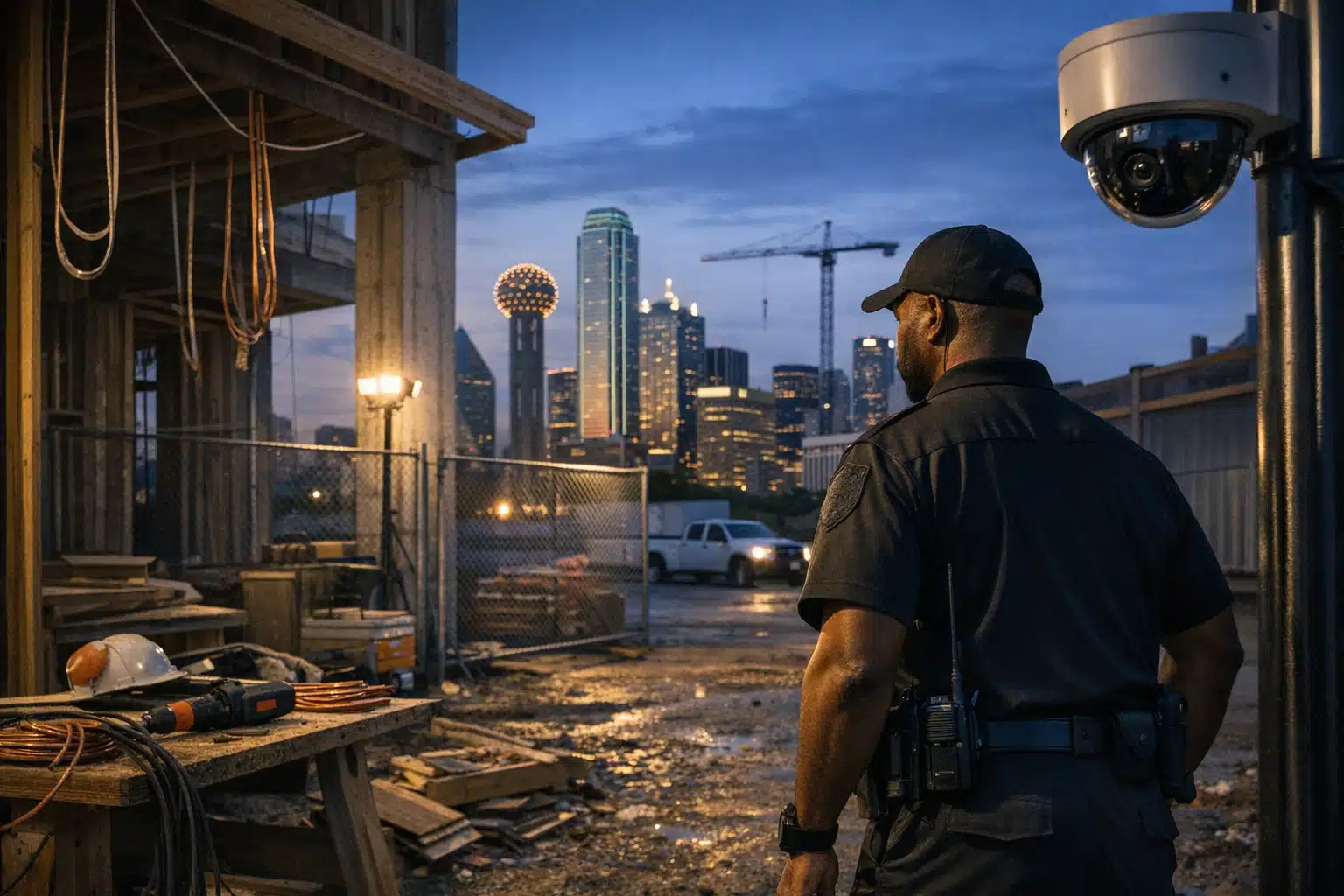
Dallas businesses should implement emergency response plans because the city recorded more than 200,000 violent and property crime incidents across recent reporting periods. Having a structured plan in place allows employees and management to react quickly and effectively during emergencies, minimizing potential harm to staff, customers, and property while reducing business disruption and liability exposure.
Why Emergency Response Planning Matters for Dallas Businesses
Dallas recorded more than 200,000 violent and property crime incidents across recent reporting periods, according to city police data. Every one of those events tested how fast someone reacted.
An emergency response plan decides whether a break-in becomes a police report or a payroll disaster. For Dallas business owners, preparation is the line between control and chaos.
This article breaks down what an emergency response plan includes, why it protects your operation, and how to build one that fits your site.
What an Emergency Response Plan Actually Is
An emergency response plan is a written set of actions your team follows during a threat. It names who does what, when, and how.
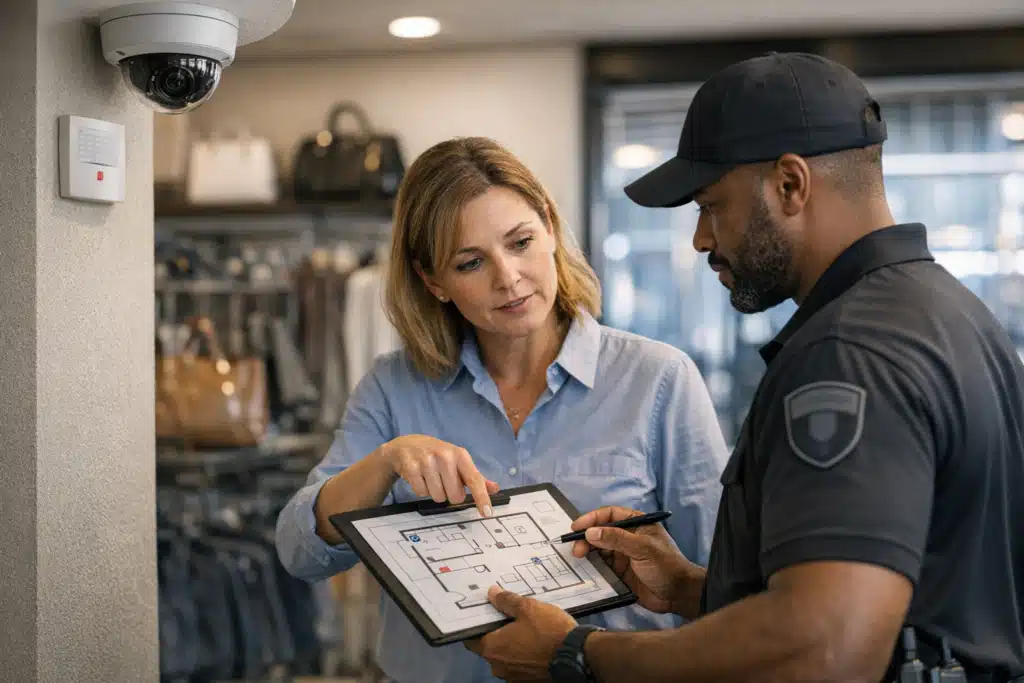
Good plans cover more than active-shooter scenarios. They address fires, medical events, severe weather, theft, and workplace violence.
Strong Dallas business security starts with a plan that assumes trouble will happen. Sites without one lose time deciding what to do while damage grows.
Threats Dallas Businesses Face Most
Local conditions shape which risks matter most. Dallas owners deal with a specific mix.
- Construction site theft of copper, tools, and equipment during unstaffed hours
- Retail smash-and-grab events in commercial corridors
- Severe weather including tornadoes and ice storms that shut sites down fast
- Trespassing and loitering at apartment communities after dark
- Parking lot assaults at event venues during crowd departures
Each threat demands a different first move. A plan spells out those moves in advance.
Why Preparedness Beats Reaction Every Time
Response time controls loss. A copper thief needs four minutes to strip a panel and leave.
Without a plan, staff waste those minutes confirming what they saw and finding a phone number. With one, an alarm triggers a scripted call and a dispatched patrol.
Preparedness turns a scramble into a sequence. That difference protects property, people, and your insurance standing.
The Cost of Skipping a Plan
Unplanned incidents cost more than the stolen items. Downtime, repair delays, and higher premiums stack up.
A Dallas construction site that loses wiring twice may face project delays and a canceled bid. The theft was small. The consequence was not.
How to Build an Emergency Response Plan for Your Dallas Site
To build a working plan, follow these steps in order. Each one narrows guesswork during a real event.
- List your specific threats. Walk your property and name what could go wrong at each entry point, blind spot, and asset.
- Assign roles. Decide who calls 911, who alerts staff, and who meets responders at the gate.
- Write the exact steps. Turn each threat into a short, numbered action list anyone can follow under stress.
- Set communication rules. Choose how alerts reach staff, security, and management within seconds.
- Map evacuation and shelter points. Mark exits, muster areas, and interior rooms for weather threats.
- Connect your monitoring. Tie cameras and alarms to a live response point that acts, not just records.
- Train and drill. Run the plan quarterly until reactions become automatic.
Write the plan in plain language. A guard, a manager, and a new hire should all read it the same way.
Match the Plan to Your Property Type
Different Dallas properties need different priorities. One template does not fit every site.
- Construction sites: Focus on after-hours theft, perimeter breaches, and equipment tracking.
- Apartment communities: Focus on resident safety, access control, and late-night patrol timing.
- Event venues: Focus on crowd flow, medical response, and parking lot coverage during exits.
- Retail and office: Focus on robbery response, lockdown steps, and staff communication.
How Remote Surveillance Strengthens Emergency Response
Remote video surveillance is live monitoring of your site by trained operators watching in real time. It shortens the gap between an event and a reaction.
At a Dallas construction site, motion at 2 a.m. triggers an operator review. The operator issues a voice-down warning, calls police, and logs the event.
That sequence happens in under a minute. Cameras alone record a crime. Monitored cameras interrupt one.
On-Site Guards and Remote Monitoring Together
Many Dallas sites pair both methods for stronger coverage. Each handles what the other cannot.
- On-site guards respond physically, check credentials, and deter by presence
- Remote monitoring watches multiple zones at once and scales across quiet hours
A guard patrols the entrance while operators watch the back lot. Coverage gaps close.

 Posted on Google
Common Mistakes Dallas Owners Make
Weak plans fail in predictable ways. Avoiding these keeps your plan usable.
- Writing it once and filing it. Plans go stale as staff and layouts change.
- Skipping drills. Untested plans collapse the first time pressure hits.
- Vague roles. “Someone should call security” means no one does.
- Ignoring weather. Dallas ice storms and tornado warnings need their own steps.
- No link to monitoring. A plan without a live response point loses its speed advantage.
Review your plan twice a year. Update it after any incident or major site change.
How Local Response Time Gives Dallas Businesses an Edge
Response speed depends on distance and coordination. A local security partner shortens both.
When operators know Dallas streets, patrol routes, and precinct coverage, dispatch moves faster. That local knowledge trims minutes from every call.
Those minutes matter most during active threats. A plan built with local support acts before losses multiply.
Putting Your Plan to Work
An emergency response plan protects your people, property, and reputation by turning panic into procedure. Dallas businesses that prepare recover faster and lose less.
Twin City Security Dallas builds emergency response plans and pairs them with on-site guards and live remote monitoring. Call or text 972‑385‑1144, or email Dallas@twincitysecurity.com for a Dallas security assessment.
Sources
- Dallas Police Department – Crime Data and Reports
- Ready.gov – Emergency Response Plan
- OSHA – Emergency Preparedness and Response
- FBI – Uniform Crime Reporting Program
Dallas businesses face specific threats including construction site theft, retail crimes, severe weather, and parking lot assaults. A written emergency response plan with assigned roles and trained staff helps reduce losses and response time.
- Dallas reported over 200,000 violent and property crime incidents in recent periods. Response time controls how much damage occurs - a copper thief needs only four minutes to strip a panel and leave.
- Building a plan involves listing site-specific threats, assigning roles, writing numbered action steps, and running quarterly drills. Different property types like construction sites, apartments, and retail need different priorities.
- Remote video surveillance with live operators can interrupt crimes in under a minute. Pairing on-site guards with remote monitoring closes coverage gaps across quiet hours.