
Unarmed vs Armed Security: Which Does Your Dallas Business Need?
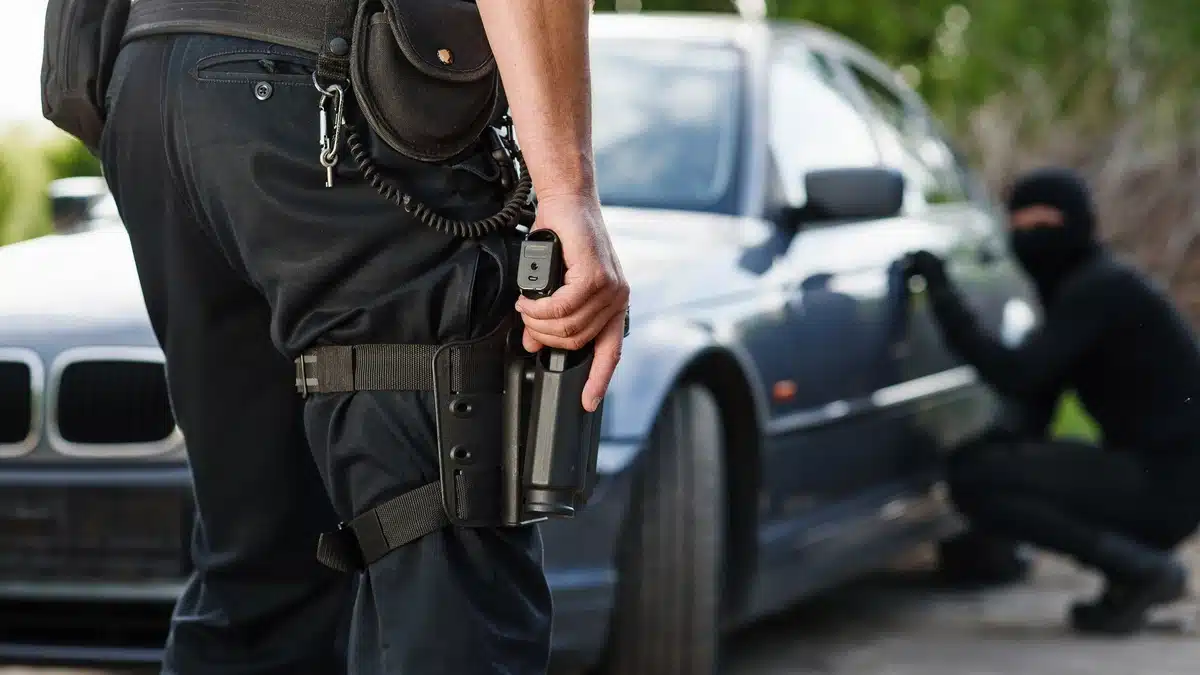
The difference between unarmed and armed security for businesses in Dallas lies in the level of threat and the nature of protection required. Unarmed security is suitable for moderate-risk environments, focusing on customer assistance and proactive patrolling, while armed security is necessary for higher-risk situations where immediate force may be needed to deter threats.
Choosing the right level of protection requires Dallas businesses to understand the specific threats facing their premises and the potential impact on employees, customers, and valuable assets. A detailed risk assessment helps determine whether unarmed or armed security solutions offer the most effective deterrence, ensuring that every decision aligns with real-world conditions rather than assumptions. Unarmed officers are ideal for environments with moderate risk, where professional security presence, customer assistance, and proactive patrolling create a strong role in preventing problems before they escalate. Their experience in monitoring cameras, verifying identification, and responding quickly to concerns provides dependable security services without introducing unnecessary force.
For businesses handling high-value inventory or operating in areas with documented vandalism, robberies, or repeated theft attempts, armed protection becomes essential. Locations such as banks, jewelry shops, pharmacies, and critical infrastructure sites require a level of defense capable of stopping severe threats. Armed professionals possess advanced training that supports both deterrence and response, giving business owners greater confidence that their assets are safe under elevated risk conditions.
Compliance and liability considerations also influence which option is appropriate. Texas law requires specific licensing standards for each guard type, and insurance carriers evaluate these decisions when calculating premiums. Businesses with the proper documentation, licensed officers, and professional security protocols often receive more favorable insurance terms and stronger legal protection.
Ultimately, the right security choice depends on crime statistics, hours of operation, property value, customer flow, past incidents, and the overall environment surrounding the premises. When businesses match their needs with appropriate security solutions—supported by skilled personnel and evidence-based planning—they establish stronger defenses, protect employees and customers, and reinforce long-term safety across every area of operation.
Understanding Threat Levels and Industry-Specific Risks
Choosing the right protection for retail stores, office complexes, schools, and financial institutions in Dallas starts with a thorough threat assessment that identifies real risks rather than relying on assumptions. Every location has different vulnerabilities shaped by crime levels, property layout, operating hours, and past disturbances. Businesses that protect high-value goods—such as banks, jewelry shops, and pharmaceutical facilities—face a heightened security risk because criminals specifically target their assets. These environments often require armed officers trained to manage elevated threats and equipped with defensive tools such as batons or pepper spray to stop aggressive behavior while maintaining strict control and professionalism.
For many other industries, unarmed security officers deliver strong protection without introducing weapons into the environment. Retail stores benefit from a visible presence that deters shoplifting and reduces customer disturbances, while maintaining a welcoming atmosphere that supports positive public perception. Office buildings and mixed-use facilities need personnel who can oversee access points, manage visitor check-ins, coordinate emergency responses, and conduct mobile patrols through key areas. Schools and community spaces typically avoid weapons altogether, prioritizing safety monitoring and de-escalation skills to keep students and staff protected.
Every decision must also account for legal responsibilities, insurance requirements, and industry regulations. Financial institutions follow strict compliance standards designed to protect sensitive data and ensure secure operations. Healthcare facilities must meet patient safety rules, while retail and hospitality sites often focus on crowd management and theft reduction. Insurance carriers evaluate whether a business uses appropriate security staffing for its risk profile, meaning the wrong choice can affect premiums and liability exposure.
A professional site survey provides the most accurate foundation for determining the right level of protection. Security companies assess entry points, camera coverage, lighting conditions, and alarm systems to understand how criminals might approach the premises. By aligning officer training, equipment, and response strategies with the documented threats unique to each property, businesses gain reliable, cost-effective security solutions that safeguard employees, customers, and valuable assets while reinforcing a secure and confident public perception.
When Unarmed Security Provides Effective Protection
Many Dallas businesses operate safely and efficiently with unarmed security guarding their daily operations. In environments where the likelihood of violent activity is low, and the primary concerns involve monitoring, access control, and general oversight, unarmed personnel deliver dependable protection without introducing the risks or responsibilities associated with weapons. Shopping centers, corporate offices, apartment communities, and schools rely on these officers to watch entrances, observe camera systems, document incidents, and maintain a steady presence that keeps routine operations running smoothly.
Uniformed unarmed guards offer a powerful visual deterrent that prevents theft, vandalism, and unauthorized entry long before these issues escalate. Their professionalism, communication skills, and approachable demeanor create an atmosphere where customers, tenants, and guests feel welcome while potential offenders recognize they are being observed. This balance between authority and accessibility is one reason unarmed security remains effective in customer-facing environments.
For many organizations, unarmed protection is also the most cost-efficient choice. Businesses that require continuous monitoring rather than armed response capability benefit from trained officers who can de-escalate conflicts, assist visitors, and perform consistent patrols throughout the property. Their presence enhances safety while supporting everyday operations such as guiding deliveries, reporting hazards, and assisting during building emergencies.
Companies that invest in strong camera coverage, updated security technology, cooperative relationships with local police, and clear emergency procedures often discover that unarmed personnel meet all their daily security needs. In these low-risk settings, prevention, observation, and communication matter more than force, making the unarmed model both practical and effective.
Property managers, retail owners, and facility directors choose unarmed security when their top priorities include stopping unauthorized access, managing minor disturbances, and enforcing community or workplace safety rules. By serving as the eyes and ears of the property—alertly observing activity, documenting concerns, and contacting law enforcement when necessary—unarmed officers provide reliable protection that supports safety, reduces liability, and strengthens the overall security posture of the business.
Situations Where Armed Officers Are the Appropriate Choice
Some environments face threats that go beyond ordinary crime, and in these situations, armed security officers become a necessary layer of protection. These trained professionals safeguard people and property in locations where criminals may use weapons, force, or advanced strategies to carry out their plans.
Places That Need Armed Guards
- Banks and financial centers that move or store large amounts of cash and face heightened robbery risks
- Retail locations such as jewelry stores, luxury boutiques, and designer shops that attract organized theft groups
- Companies involved in secret research, high-value technology, or sensitive intellectual property are vulnerable to industrial espionage
- Hospitals and medical facilities that store prescription drugs are targeted by drug traffickers
- Critical computer facilities that run essential systems like power grids, water networks, and communication infrastructure
When to Hire Armed Officers
- Past attacks or attempted break-ins show your business is already being targeted with violence or weapons
- The value of the items or data you protect exceeds what insurance can realistically replace
- Your property is located in an area where police reports show frequent armed robberies, violent crimes, or repeat offenders
- Your operations involve handling high-value assets, restricted materials, or sensitive information that criminals actively seek
Making the Right Choice
- A security expert reviews nearby crime patterns to understand the level of danger surrounding your property
- Police report analysis reveals whether local incidents involve weapons, violence, or repeat criminal behavior
- A complete evaluation of your valuables, equipment, or data highlights what needs the highest level of protection
- A risk assessment determines whether armed officers will reduce danger or introduce unnecessary complications
- The final decision matches security strength to genuine risk, creating protection that is effective, proportional, and strategically aligned with your day-to-day operations
Liability, Insurance, and Compliance Considerations for Each Option
Armed and unarmed security bring very different legal obligations, financial risks, and compliance requirements that continue affecting your business long after guards are hired. Choosing armed personnel increases liability exposure because these officers operate with firearms, which require higher insurance premiums, specialized coverage, and careful oversight. Texas regulations set strict licensing rules for armed guards, including state-approved training, scheduled renewals, and documentation that proves every requirement has been met. These laws exist to protect public safety and ensure that only qualified officers perform armed duties.
Unarmed security carries lower insurance costs and fewer liability concerns, yet it still demands proper screening and compliance with state rules. The Texas Occupations Code governs both types of security personnel, requiring criminal background checks, written supervision records, and detailed training documentation. Businesses must prove they are managing their security teams responsibly or face legal consequences when audits, inspections, or incidents occur.
Insurance carriers review every part of a company’s security practices before setting coverage rates. They check whether guards carry weapons, look into past incidents on the premises, and evaluate how well the business maintains safety records. Companies that lack proper insurance, licensing documents, or supervision policies risk heavy fines, legal claims, and financial losses. Courts may hold a business legally responsible for property damage, injuries, or civil rights issues that arise from security operations.
Armed guard licensing involves fingerprinting, mental health screenings, and weapons qualification tests to ensure officers can safely handle firearms. Training focuses on state force-use laws, de-escalation skills, and coordinated emergency response actions. Ongoing education keeps officers compliant with state standards, and employers must track every certification renewal, training date, and performance review through organized reporting systems.
Business owners also bear responsibility for enforcing security policies, maintaining accurate incident reports, and ensuring contract requirements are met. Strong risk-management protocols support safe operations by setting clear expectations for officer behavior, equipment care, communication with law enforcement, and record-keeping practices that meet state regulatory expectations.
Dallas businesses must assess their specific security needs to determine whether unarmed or armed personnel are more appropriate for their environment. A thorough risk assessment will guide the decision-making process, ensuring that security measures align with actual threats and operational requirements.
- Unarmed security is suitable for moderate-risk environments, providing a visible deterrent and customer assistance without the risks of weapons. They excel in monitoring, access control, and proactive patrolling to prevent issues.
- Armed security is essential for high-risk locations, such as banks and jewelry stores, where the potential for violent crime is greater. Their advanced training and equipment help manage severe threats effectively.
- Legal and insurance considerations play a significant role in the choice between armed and unarmed guards, as each option carries different compliance requirements and liability implications.