
The Importance of Fire Watch Services for Dallas Manufacturing Sites
Fire Hazards Unique to Dallas Manufacturing Operations
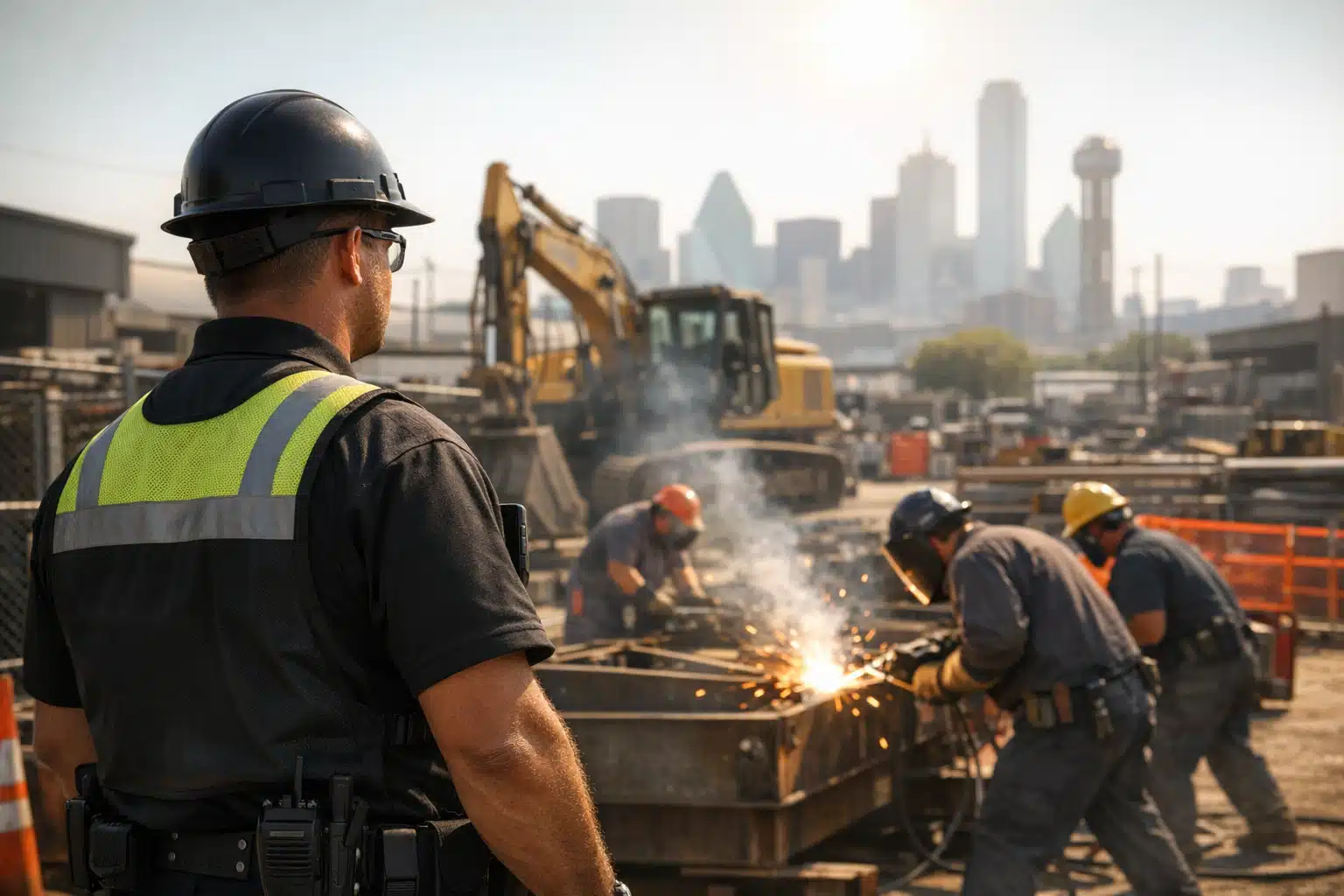
Dallas manufacturing facilities face elevated fire risks during routine maintenance operations, particularly during the 90+ degree summer months when welding and cutting work creates extreme heat conditions. Fire watch services provide trained security personnel who monitor these high-risk activities and respond immediately to prevent small incidents from becoming catastrophic losses.
Texas leads the nation in manufacturing fire incidents, with over 200 reported cases annually according to state fire marshal data. Most occur during hot work operations like welding, grinding, and torch cutting when standard fire suppression systems may be temporarily disabled.
Manufacturing sites require specialized fire prevention protocols that go beyond basic security monitoring. Trained fire watch guards understand industrial processes and can identify hazards before they escalate.
When Dallas Manufacturing Sites Need Professional Fire Watch Services
Several specific scenarios trigger mandatory fire watch requirements at manufacturing sites throughout the Dallas-Fort Worth area. Understanding these situations helps facility managers maintain compliance while protecting their operations.
Hot Work Operations
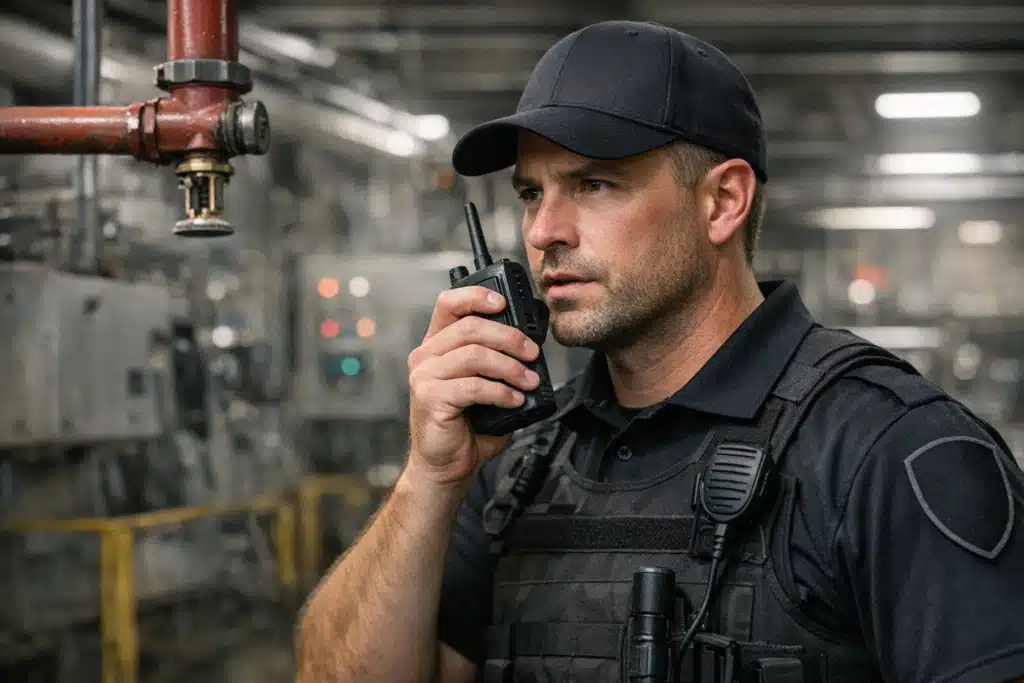
Any welding, cutting, or grinding work within 35 feet of combustible materials requires continuous fire watch coverage. This includes routine maintenance on production equipment, structural repairs, and installation of new machinery.
Fire watch guards monitor the work area and surrounding zones for sparks, embers, or heat buildup that could ignite materials. They maintain direct communication with work crews and can halt operations if conditions become unsafe.
Fire System Impairments
When sprinkler systems, alarms, or suppression equipment undergo maintenance or repairs, facilities must implement compensatory fire watch coverage. This ensures continuous protection even when automated systems are offline.
Dallas fire code requires documented fire watch logs during system impairments. Guards complete hourly reports showing patrol routes, temperature checks, and any observations requiring attention.
Construction and Renovation Projects
Major construction work often involves multiple fire hazards occurring simultaneously. Welding, electrical work, and material storage create complex risk scenarios that require experienced fire watch personnel.
Guards coordinate with contractors to ensure hot work permits are properly executed and all safety protocols remain in place throughout multi-phase projects.
Critical Fire Prevention Protocols for Industrial Settings
Effective fire watch services follow established protocols specifically designed for manufacturing environments. These procedures address the unique challenges of industrial facilities where fire risks change constantly based on production schedules and maintenance activities.
Pre-Work Site Assessment
Fire watch guards conduct detailed assessments before any hot work begins. They identify combustible materials, check ventilation systems, and ensure proper fire extinguishing equipment is positioned within immediate reach.
This assessment includes reviewing the facility’s emergency response procedures and confirming clear evacuation routes remain accessible throughout the work period.
Continuous Monitoring During Operations
Guards maintain constant visual surveillance of work areas during active hot work operations. They position themselves to observe both the immediate work zone and adjacent areas where sparks or heat could travel.
Temperature monitoring equipment helps guards detect heat buildup in walls, floors, or nearby materials that might not show visible signs of ignition risk.
Post-Work Fire Watch
Fire watch coverage continues for at least 30 minutes after hot work completion, though many facilities extend this to 60 minutes for added protection. Guards inspect all areas where sparks or heat may have traveled during the work period.
This final inspection often reveals smoldering materials or heat retention that could cause fires hours after work crews have left the area.
Compliance Requirements for Dallas Manufacturing Facilities
Dallas manufacturing facilities must meet specific fire safety regulations that vary based on building size, occupancy classification, and the types of industrial processes conducted on-site. Fire watch services help maintain compliance with these evolving requirements.
OSHA standards require documented fire watch procedures whenever hot work occurs outside designated areas or when fire protection systems are impaired. Facilities face significant penalties for non-compliance, especially following any fire-related incidents.
Texas state fire code mandates that fire watch personnel complete approved training programs covering fire behavior, extinguisher use, and emergency communication procedures. Many insurance policies also require certified fire watch coverage to maintain full protection.
Documentation and Record-Keeping
Proper documentation protects facilities during insurance claims and regulatory inspections. Fire watch guards maintain detailed logs including:
- Start and end times for all hot work activities
- Weather conditions and wind direction during outdoor operations
- Temperature readings from monitoring equipment
- Any incidents or near-misses requiring corrective action
- Communication with facility management and work crews
These records demonstrate due diligence and can significantly impact insurance settlements if fire damage occurs despite preventive measures.

 Posted on Google
Cost Analysis: Fire Watch Services vs. Potential Fire Losses
Manufacturing facility fires in Texas average $2.3 million in direct damages, not including business interruption costs that can extend losses well beyond initial property damage. Fire watch services typically cost between $25-35 per hour for trained personnel.
A typical maintenance project requiring 40 hours of fire watch coverage costs approximately $1,200-1,400 total. This represents less than 0.1% of average fire loss amounts, making fire watch services one of the most cost-effective risk management investments available.
Insurance companies often provide premium discounts for facilities that maintain documented fire watch programs. These savings can offset service costs while providing additional protection for manufacturing operations.
Business Continuity Benefits
Manufacturing facilities depend on continuous production schedules to meet customer commitments and maintain profitability. Even small fires can shut down operations for days or weeks while cleanup and repairs are completed.
Fire watch services prevent these disruptions by catching potential problems before they impact production capabilities. This protection becomes especially valuable for facilities operating on tight delivery schedules or serving just-in-time manufacturing customers.
Selecting Qualified Fire Watch Personnel for Manufacturing Sites
Not all security personnel possess the specialized knowledge required for effective fire watch services at manufacturing facilities. Qualified fire watch guards must understand industrial processes and recognize the subtle signs that indicate developing fire hazards.
Look for guards with specific fire watch training certifications and experience working in manufacturing environments. They should understand how different materials burn, how heat travels through industrial buildings, and when to escalate concerns to facility management.
Training Requirements
Professional fire watch personnel complete training programs covering fire behavior, suppression techniques, and emergency response procedures specific to industrial settings. This training goes well beyond basic security guard certification.
Guards should demonstrate proficiency with fire extinguishers, temperature monitoring equipment, and radio communication systems used during emergency situations.
Local Response Capabilities
Dallas-based fire watch services provide faster response times and better familiarity with local fire department procedures compared to regional or national providers. Local guards understand Dallas fire code requirements and maintain relationships with area emergency responders.
This local knowledge becomes crucial during actual emergencies when coordination between fire watch personnel, facility staff, and responding firefighters can determine whether incidents are contained quickly or escalate into major losses.
Integration with Existing Security Systems
Fire watch services work most effectively when integrated with existing security and monitoring systems already in place at manufacturing facilities. This coordination provides comprehensive coverage while avoiding redundant costs.
Modern fire watch programs utilize temperature sensors, video monitoring, and communication systems that complement traditional patrol-based approaches. Guards can monitor multiple areas simultaneously while maintaining the ability to respond physically when situations require immediate intervention.
Remote monitoring capabilities allow fire watch personnel to track conditions in areas where direct observation might be difficult or dangerous during active industrial operations.
Manufacturing facilities investing in professional fire watch services protect their operations, employees, and bottom line from preventable fire losses. The combination of trained personnel, proper documentation, and integrated monitoring provides comprehensive fire prevention that far exceeds the cost of coverage.
Twin City Security Dallas provides specialized fire watch services designed specifically for Dallas manufacturing facilities. Our trained guards understand industrial fire risks and maintain the certifications required for compliance with local and federal regulations. Contact us at 972-385-1144 for a customized fire watch assessment of your manufacturing operations.
Sources
- National Fire Protection Association – Fire Loss Statistics
- OSHA – Hot Work Standards and Fire Watch Requirements
- Texas Department of Insurance – State Fire Marshal Fire Code