Why Access Control Is Critical for Office Buildings | Protecting Employees, Assets & Sensitive Data with Smart Security Systems
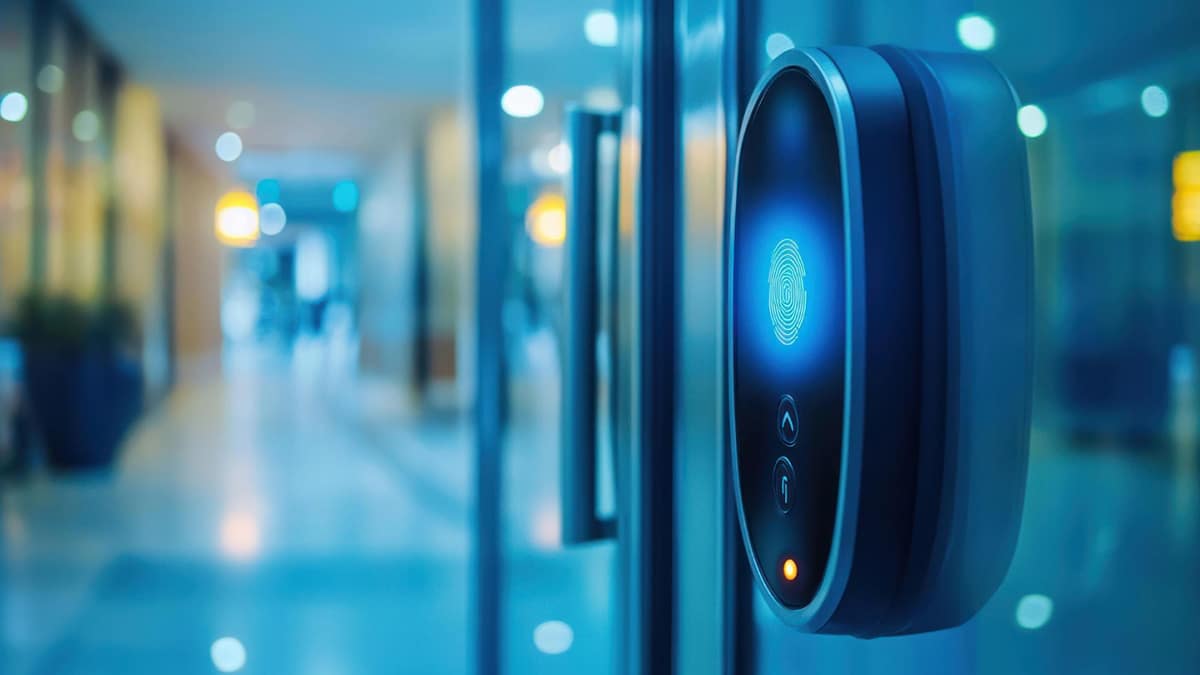
Access control is important for office buildings because it protects employees, tenants, assets, and sensitive data from various threats, including internal misconduct and organized theft. A well-designed access control system minimizes vulnerabilities at entry points, ensuring security while maintaining efficient daily operations.
Access control for office buildings is no longer optional. It is a core security requirement for protecting employees, tenants, assets, and confidential data. Modern office environments face increasing threats — from internal misconduct to organized theft and cyber-physical breaches. A professionally designed access control system eliminates vulnerabilities at entry points while keeping daily operations smooth and efficient.
Without proper access control, businesses risk financial penalties, legal exposure, reputational damage, and rising insurance costs. Cloud-based access control platforms now allow centralized management, real-time credential updates, and seamless integration with modern security technology.
Investing in commercial access control strengthens security, supports compliance, and protects long-term operational stability.
Protecting Employees, Tenants & Sensitive Assets
Office buildings contain high-value assets, proprietary information, and large numbers of occupants. Securing these environments requires more than locks and keys. Access control systems act as intelligent gatekeepers, verifying identity before granting entry.
A modern office building access control system delivers:
- Controlled entry to restricted departments, executive offices, and IT server rooms
- Real-time credential authentication using badges, mobile access, PIN codes, or biometrics
- Multi-factor authentication for high-security areas
- Digital audit trails for every entry attempt
- Immediate lockdown capability during emergencies
Zone-based security strengthens protection further. High-risk areas operate under stricter rules than shared spaces, limiting exposure and reducing internal threats.
For organizations handling sensitive information, access control supports compliance with:
- Health Insurance Portability and Accountability Act (HIPAA)
- General Data Protection Regulation (GDPR)
- Payment Card Industry Data Security Standard (PCI DSS)
By limiting unauthorized access, businesses reduce theft, workplace incidents, and data breaches — protecting both people and reputation.
Reducing Liability & Strengthening Compliance
Regulators, insurers, and legal authorities expect documented security measures. Access control for office buildings provides defensible proof that management has implemented strong protective systems.
Modern access control platforms provide:
- Timestamped digital entry logs
- Credential authentication records
- Zone-based access documentation
- Searchable audit reports for inspections
- Long-term data retention for legal review
Compliance requirements impacting office buildings include:
- HIPAA for healthcare tenants
- Sarbanes-Oxley Act (SOX) for financial operations
- GDPR for international data handling
Failure to implement adequate access control can result in:
- Negligence claims after security incidents
- Increased insurance premiums
- Denied insurance claims
- Regulatory fines and legal penalties
Documented access records demonstrate due diligence. Courts and underwriters recognize verified security logs as evidence of responsible property management.
Strong access control is not just protection — it is legal risk management.
Improving Operational Efficiency & Scalabilit
Traditional lock-and-key systems are costly and inefficient. Lost keys require rekeying. Employee turnover creates security gaps. Multi-location offices become difficult to manage.
Cloud-based access control for office buildings eliminates these problems.
Key operational advantages include:
- Centralized credential management across multiple buildings
- Instant permission updates from any secure dashboard
- Remote access control administration
- Automated onboarding and termination access updates
- Reduced reliance on physical keys
- Lower rekeying and hardware replacement costs
When integrated with HR software and building management systems, access permissions automatically adjust when employees are hired, promoted, or terminated.
Scalable systems support:
- Single office suites
- Multi-tenant commercial properties
- Regional corporate campuses
- Nationwide facility portfolios
This flexibility allows businesses to expand without rebuilding their security infrastructure.
Modern access control is both a security upgrade and an operational efficiency tool.
Integrating with Modern Security Technology
The most effective office building security systems combine physical access control with advanced monitoring technology.
Integrated access control systems can connect with:
- CCTV surveillance cameras for synchronized video verification
- Intrusion alarms for automatic alert escalation
- Visitor management systems for controlled guest access
- Motion sensors and emergency lockdown protocols
- Building automation systems, including lighting and HVAC
When door readers link with cameras, security teams can:
- View live footage during access events
- Automatically record entry attempts
- Investigate incidents with synchronized logs and video
- Respond faster to unauthorized access
Cybersecurity must also be prioritized. Best practices include:
- Network segmentation for access control systems
- Encrypted data transmission
- Zero-trust architecture implementation
- Routine firmware updates and vulnerability testing
Unified systems create multiple layers of defense. They provide centralized visibility, identify unusual access patterns, and detect internal or external threats early.
A fully integrated access control system transforms office security from reactive to proactive.
Access control is essential for office buildings to protect employees, assets, and sensitive data from various threats. Implementing a robust access control system enhances security, ensures compliance, and improves operational efficiency.
- Access control systems verify identities before granting entry, using methods like badges and biometrics. They provide real-time credential authentication and digital audit trails for security management.
- Modern systems support compliance with regulations like HIPAA and GDPR, reducing risks of theft and data breaches. Documented access records serve as proof of responsible management.
- Cloud-based platforms streamline management across multiple locations, allowing for instant updates and automated access adjustments, enhancing both security and operational efficiency.