
Maximizing Security During High Traffic Retail Seasons in Dallas
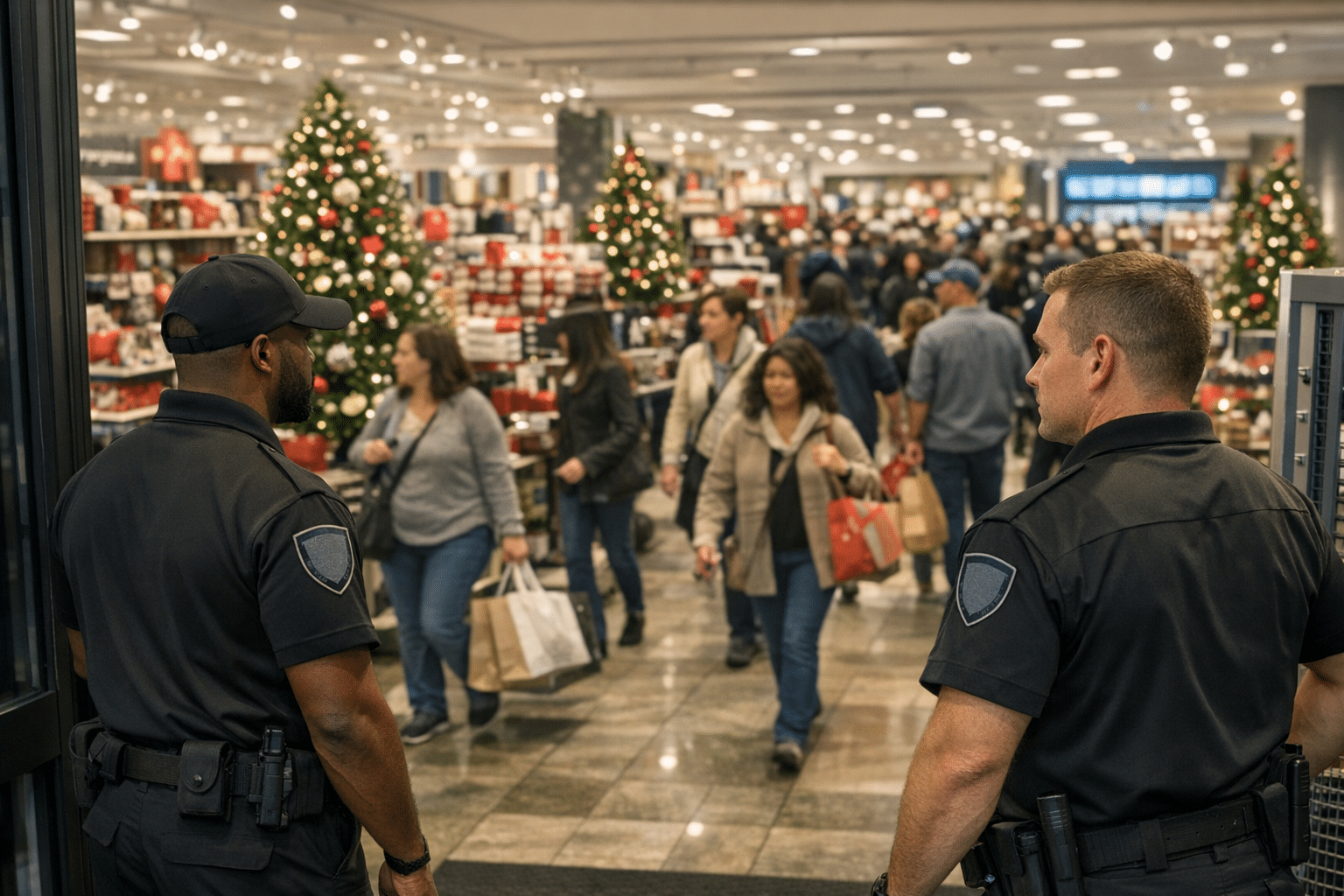
Dallas retailers can strengthen security during peak seasons by increasing staff presence on the sales floor, deploying visible security personnel at entrances and exits, and using advanced surveillance systems. Training employees to recognize suspicious behavior and implementing crowd management strategies also helps reduce theft, which can spike by up to 30% during busy shopping periods.
Dallas retailers face their biggest security challenges during high traffic seasons like holidays, back-to-school periods, and major sales events. Retail security becomes critical when stores experience increased foot traffic that can overwhelm standard loss prevention measures. Recent Dallas Police Department data shows theft incidents spike by up to 30% during peak shopping periods.
Understanding how to protect your business during these busy times requires a strategic approach that balances customer experience with asset protection.
Why Retail Security Intensifies During High Traffic Periods
Increased customer volume creates multiple security vulnerabilities. More shoppers mean more opportunities for theft, whether from professional shoplifters or opportunistic customers.
Staff members become stretched thin during busy periods. Sales associates focus on helping customers rather than monitoring for suspicious behavior. This divided attention creates blind spots that experienced thieves exploit.
Organized retail crime groups specifically target high traffic seasons in Dallas. These professional operations know when stores are busiest and plan accordingly.
Common Security Challenges During Peak Seasons
- Overwhelmed staff – Employees cannot monitor all areas effectively
- Crowded aisles – Reduced visibility makes it easier to conceal theft
- Extended hours – Longer operating times strain security resources
- Temporary employees – New workers lack experience spotting security risks
- Higher inventory levels – More merchandise on floors increases potential losses
On-Site Security Guards: Your First Line of Defense
Professional security guards provide visible deterrence that cameras alone cannot match. Their physical presence discourages most theft attempts before they begin.

Uniformed guards positioned at store entrances create an immediate psychological barrier. Potential thieves often choose easier targets when they see professional security personnel.
Guards can respond instantly to incidents. Unlike remote monitoring, on-site personnel handle situations immediately without waiting for law enforcement arrival.
Strategic Guard Placement for Maximum Impact
Entrance positioning allows guards to observe everyone entering and exiting. This creates accountability for customers while providing theft deterrence.
High-value merchandise areas need dedicated attention. Electronics, jewelry, and designer clothing sections benefit from focused guard presence.
Mobile patrol patterns keep guards visible throughout the store. Regular movement prevents criminals from timing security rotations.
Remote Video Surveillance for Complete Coverage
Professional monitoring systems provide 24/7 oversight that supplements physical security measures. Trained operators watch multiple camera feeds simultaneously from off-site locations.
Remote surveillance covers areas where guards cannot be stationed continuously. Stockrooms, parking lots, and employee break areas receive constant monitoring.
Advanced analytics detect unusual behavior patterns automatically. Motion detection, loitering alerts, and crowd density monitoring help identify potential issues before they escalate.
Key Features of Effective Surveillance Systems
- High-definition cameras – Clear images enable positive identification of suspects
- Night vision capabilities – Extended hours require low-light recording ability
- Real-time alerts – Immediate notifications allow quick response to incidents
- Cloud storage – Secure footage preservation for investigations and legal proceedings
- Mobile access – Store managers can view feeds remotely from smartphones or tablets
Creating a Layered Security Approach for Dallas Retail Locations
Combining multiple security measures creates overlapping protection that addresses different threat types. No single solution provides complete coverage during peak shopping periods.
Physical barriers work alongside human observation and electronic monitoring. Each layer compensates for weaknesses in other security components.
Essential Security Layers
Perimeter security starts protection at parking lot boundaries. Well-lit areas and camera coverage discourage criminal activity before it reaches store entrances.
Access control manages who enters restricted areas. Employee-only zones need card readers or keypad entry systems to prevent unauthorized access.
Point-of-sale monitoring prevents internal theft and transaction fraud. Camera angles focused on registers capture cash handling and return processes.
Merchandise protection includes electronic article surveillance tags and locked display cases. High-value items require additional physical barriers beyond general monitoring.
Staff Training for Security Awareness
Employees serve as your extended security team when properly trained. Teaching staff to recognize suspicious behavior multiplies your security effectiveness.
Regular training sessions before peak seasons prepare workers for increased security responsibilities. Role-playing exercises help employees practice appropriate responses to various scenarios.
Key Training Topics for Retail Staff
- Suspicious behavior indicators – Recognizing potential shoplifters and their tactics
- Proper customer service – Engaging suspicious individuals without accusations
- Emergency procedures – Steps to follow during theft or security incidents
- Communication protocols – How to alert security personnel or management
- Legal limitations – Understanding what employees can and cannot do legally

 Posted on Google
Technology Integration for Real-Time Response
Modern security systems connect guards, surveillance operators, and store management through integrated communication networks. This coordination enables rapid response to developing situations.
Mobile apps allow instant communication between security personnel and remote monitoring centers. Guards receive alerts about suspicious activity detected by cameras in real-time.
Integration with Dallas Police Department dispatch systems speeds law enforcement response when needed. Direct communication lines reduce delays during emergency situations.
Communication System Benefits
Instant alerts notify relevant personnel immediately when incidents occur. Faster response times often prevent minor issues from becoming major losses.
Coordinated response ensures all security elements work together effectively. Guards know what surveillance operators see and vice versa.
Documentation automation creates detailed incident reports without manual data entry. Time stamps and video links provide complete records for investigations.
Cost-Effective Security Solutions for Dallas Retailers
Security investments pay for themselves through loss prevention during high traffic periods. The cost of professional security services typically represents a small fraction of potential theft losses.
Temporary security enhancement during peak seasons offers flexible protection without year-round commitments. Many Dallas retailers increase security staffing only during their busiest periods.
Budget-Friendly Security Options
Seasonal guard contracts provide professional security only when needed most. This approach reduces costs while maintaining protection during vulnerable periods.
Hybrid monitoring systems combine automated surveillance with occasional human oversight. This balance offers comprehensive coverage at reduced operational costs.
Shared security resources work well for shopping centers and strip malls. Multiple retailers can split costs for roving patrol services.
Measuring Security Program Effectiveness
Tracking key performance indicators helps evaluate security investment returns. Regular analysis identifies areas needing improvement and successful strategies worth expanding.
Inventory shrinkage rates provide clear security effectiveness metrics. Comparing losses before and after implementing enhanced security measures shows program value.
Important Security Metrics
- Incident response times – How quickly security personnel address situations
- Theft prevention rates – Number of deterred versus completed theft attempts
- Customer satisfaction scores – Ensuring security measures do not negatively impact shopping experience
- Recovery rates – Percentage of stolen merchandise recovered through security actions
Preparing for Future Security Challenges
Retail security threats continue evolving as criminals adapt to new technologies and security measures. Staying ahead requires regular assessment and system updates.
Seasonal security planning should begin months before peak periods. Early preparation ensures adequate staffing and equipment availability when competition for security services increases.
Dallas retailers who invest in comprehensive security programs during high traffic seasons protect both immediate profits and long-term business reputation. Professional security services provide peace of mind that allows business owners to focus on serving customers and driving sales.
Contact Twin City Security Dallas at 972‑385‑1144 for customized retail security solutions that fit your business needs and budget during peak shopping seasons.
Sources
- Bureau of Justice Statistics – Crime Against Businesses
- National Retail Federation – Retail Security Survey
- Dallas Police Department – Property Crimes Division
Dallas retailers face significant security challenges during high traffic seasons like holidays and major sales events, with theft incidents rising up to 30% during peak shopping periods. A layered approach combining on-site guards, remote video surveillance, and staff training provides effective protection.
- Professional security guards serve as visible deterrents at entrances and high-value merchandise areas, responding instantly to incidents unlike remote monitoring alone.
- Remote video surveillance with trained operators provides 24/7 coverage of areas guards cannot continuously monitor, including stockrooms and parking lots.
- Staff training helps employees recognize suspicious behavior and respond appropriately, while seasonal guard contracts offer budget-friendly protection during peak periods only.