
How to Choose the Right Security Company in Dallas: A Complete Checklist
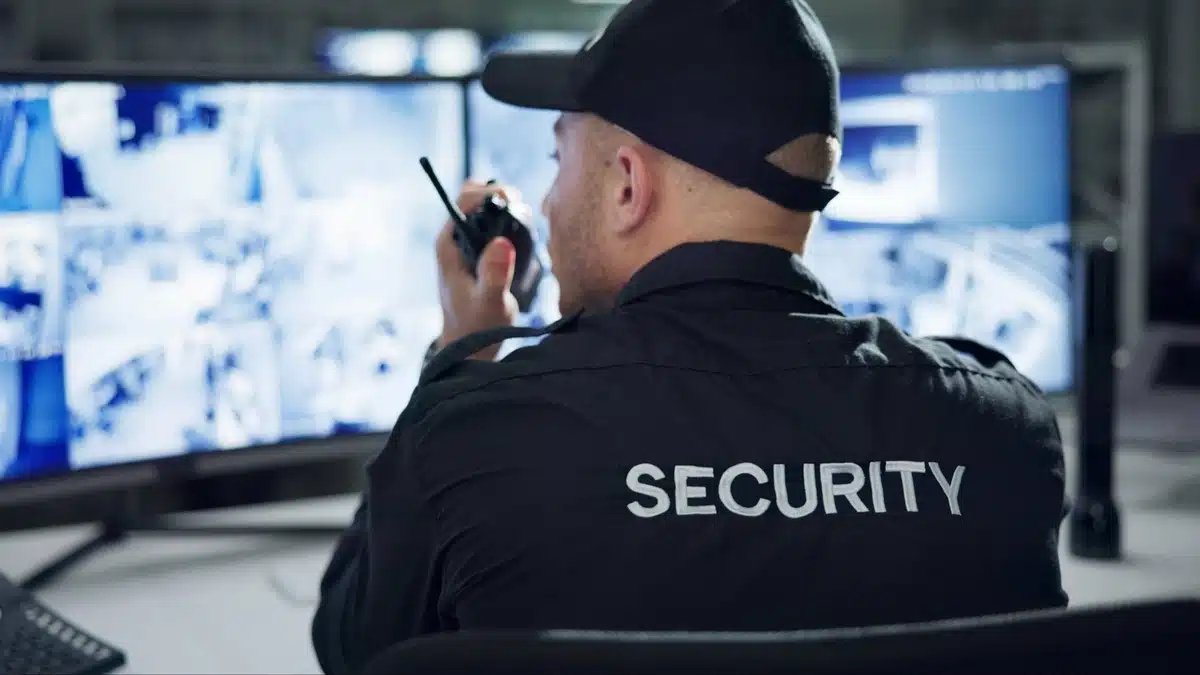
Choosing the right security company in Dallas involves evaluating their experience, responsiveness to issues, and access to verified performance information. Look for transparency in documentation and credentials, and ensure they allow inspections of their operational quality instead of relying on vague references or unproven promises.
Choosing the right security company in Dallas requires more than a glance at marketing claims; it demands a full evaluation of their experience, their ability to handle issues quickly, and the level of access they provide to verified information about their performance. Every detail matters because the impact of poor protection can affect your property, your tenants, and your long-term liability. A dependable provider demonstrates expertise through transparent documentation, clear credentials, and a willingness to let you inspect every sign of their operational quality rather than relying on vague references or unproven promises.
A trustworthy firm treats cybersecurity as seriously as physical security, integrating secure communication systems that withstand outages and prevent data breaches. Their technology should pass strict tests and undergo regular testing to ensure uninterrupted monitoring, supported by backup power and redundant networks that keep your property safe even when the rest of the grid struggles. When a company hesitates to show performance metrics or refuses to share how their officers respond to emergencies, it signals a lack of readiness that no property owner can afford.
Before signing any agreement, make sure the provider complies with all regulatory requirements set by Texas and follows established security frameworks that outline professional standards. Your contract should define responsibilities with precision so there is no confusion about who is accountable if a guard makes an error or fails to address a threat. Reliable companies give you immediate access to detailed incident reports, showing exactly what happened and how their team responded. This level of transparency proves their commitment to accountability and gives you the confidence that the service you’re paying for is truly protecting your site.
Real security partners support every claim with evidence, demonstrate operational discipline, and provide documentation that stands up to scrutiny. Anything less leaves your property exposed—and choosing protection should never be a gamble.
Licensing, Training, and Compliance Standards to Verify
Many organizations overlook essential verification steps when hiring security providers, creating unnecessary exposure that expands the scope of risk far beyond everyday operations. A proper review must include the right format for validating state credentials, confirming that the company’s license is active, up to date, and free of violations. Treat this process as a partnership that requires real depth, not a surface-level glance. When timelines matter, and your mission depends on reliable protection, you cannot afford assumptions or undocumented claims.
Security officers must carry individual licenses, complete all mandated training, and demonstrate ongoing readiness. These training programs should reflect modern standards that incorporate firewalls, multi-factor authentication, threat modeling, and other best practices that protect clients from evolving cyber threats. Companies that integrate both physical and digital protection show they understand how attacks occur across multiple environments. Their preparedness should appear in detailed logs, documented procedures, and verifiable evidence that officers know how to respond quickly and correctly.
Beyond state rules, businesses need assurance that a provider meets federal guidelines, maintains proper insurance, and follows written policies that comply with industry standards. Reviewing certificates, bonds, and operational documents confirms that the company aligns with regulations and has the infrastructure required to respond effectively to emerging risks. Every safeguard must be clear in the service level agreement, which outlines responsibilities, coverage limits, response expectations, and training obligations. When a provider meets all these requirements with transparency and professionalism, you gain a security partner who strengthens your compliance posture and keeps your organization protected with confidence.
Security Services That Match Your Property’s Actual Risk Profile
Before selecting a security provider, property owners must secure proper approval by verifying credentials and reviewing compliance records to satisfy both regulatory compliance and internal stakeholder requirements. A thorough assessment goes beyond surface-level checks, incorporating managed cybersecurity services to safeguard networks, endpoints, and sensitive data from potential breaches. Network security and endpoint protection are crucial, especially when systems handle access control, alarm monitoring, or resident information, and each measure must be backed by documented security updates, penetration testing, and remediation plans to ensure ongoing resilience.
Effective security planning in healthcare facilities, commercial buildings, and residential complexes requires a clear understanding of unique vulnerabilities. Identity and access management systems help control who can enter specific areas, while physical evaluations identify weak points such as poorly lit parking lots, unmonitored doors, or blind spots in camera coverage. These findings, combined with sample reports of prior incidents, give stakeholders concrete evidence of risks and demonstrate how proposed solutions address them.
A professional security company integrates physical protection with digital safeguards, aligning services with measurable goals rather than generic offerings. By combining armed or unarmed personnel, patrol vehicles, fixed posts, and advanced monitoring systems, property owners can ensure every threat is addressed. Documented service plans and actionable reports guarantee that every security investment provides real-world protection, maintaining both compliance and confidence for all involved parties.
Technology, Monitoring, and Response Capabilities to Compare
When evaluating a security provider, property managers must rely on knowledge that goes beyond surface-level claims, ensuring every component of their protection system works seamlessly. Modern security solutions combine advanced cameras, intelligent software, and professional monitoring centers to detect issues faster than human observation alone. The ability to monitor properties remotely and respond quickly can mean the difference between preventing incidents and suffering significant losses. Key technology features to assess include:
- Smart video systems with computer vision capable of spotting suspicious behaviors and unauthorized entry attempts.
- Protected communication channels that prevent hackers from intercepting signals between cameras, sensors, and control centers.
- Backup monitoring facilities that maintain surveillance even during power outages or technical failures.
- Proven response speed records with detailed incident reports showing how quickly guards arrive on the scene.
Providers that rely on outdated tape-based cameras or limit monitoring coverage at night create gaps where criminals can act undetected. High-quality security companies demonstrate knowledge through clear response procedures, maintain SOC 2 certification to protect sensitive data, and provide thorough incident reports useful for insurance claims or legal proceedings. The real measure of protection comes from integrating detection technology, human monitoring, and physical response. Motion sensors trigger alerts, monitoring teams verify threats via live feeds, and dispatch sends guards to the exact location within minutes. This cohesive system minimizes break-ins, vandalism, and trespassing, ensuring your property is truly safeguarded.
Reputation, Reviews, and Contract Terms That Protect You
Property managers must take a thorough approach when evaluating a security company, relying on multiple sources to verify their claims rather than accepting promotional statements at face value. Start by requesting official proof of the company’s state license, insurance coverage, and any complaints or disciplinary actions recorded with the Texas Department of Public Safety. These documents provide a foundation of trust and help establish whether the company operates within legal and regulatory boundaries. Beyond paperwork, connecting with other property managers who have used the same security service offers practical insights. Visiting properties of similar size and type allows you to see firsthand how guards perform their duties, how consistently they patrol, and how effectively they handle incidents. Reading online reviews and social media feedback adds another layer of understanding, revealing patterns in responsiveness, professionalism, and reliability that may not appear in formal documentation. Client testimonials, when verified, can also highlight strengths in service delivery, especially when multiple references describe similar positive experiences.
Contracts with security providers must be clear, detailed, and enforceable to prevent misunderstandings or disputes. The written service agreement should define exact responsibilities, including guaranteed response times, protocols for handling various emergencies, and procedures for reporting incidents. It should also outline financial terms, specifying monthly or annual costs, conditions under which the contract may be terminated without penalty, and automatic renewal policies. Performance checks must be explicitly described, detailing how and when guards’ work will be evaluated and what measures will be taken if standards are not met. Avoid contracts with vague terms or restrictive clauses that limit flexibility, impose high cancellation fees, or fail to hold the company accountable for lapses in service.
Reputable security companies back up their promises with measurable results. They maintain comprehensive logs of guard activity, including patrol completion, response times, and documented incident handling. Many integrate modern monitoring systems and safe testing protocols to ensure personnel and technology function correctly, creating a proactive defense rather than reactive measures. In the ongoing battle against threats such as trespassing, vandalism, and unauthorized access, these companies combine skilled personnel, reliable procedures, and transparent reporting to deliver consistent protection. By taking a careful, evidence-based approach and evaluating both digital and physical performance, property managers can select a security provider that genuinely safeguards their property, residents, and operations.
Choosing the right security company in Dallas involves a thorough evaluation of their experience, responsiveness, and transparency regarding performance metrics. Property owners must ensure that providers meet regulatory standards and demonstrate a commitment to both physical and cybersecurity.
- A dependable security provider shows expertise through clear documentation and allows for performance inspections. They treat cybersecurity with the same seriousness as physical security, ensuring robust protection against threats.
- Companies must verify state credentials and compliance with federal guidelines, confirming that security officers are properly trained and licensed.
- Contracts should clearly outline responsibilities, response expectations, and performance metrics to avoid misunderstandings and ensure accountability.