
How On-Site Security Guards Prevent Crime Before It Happens
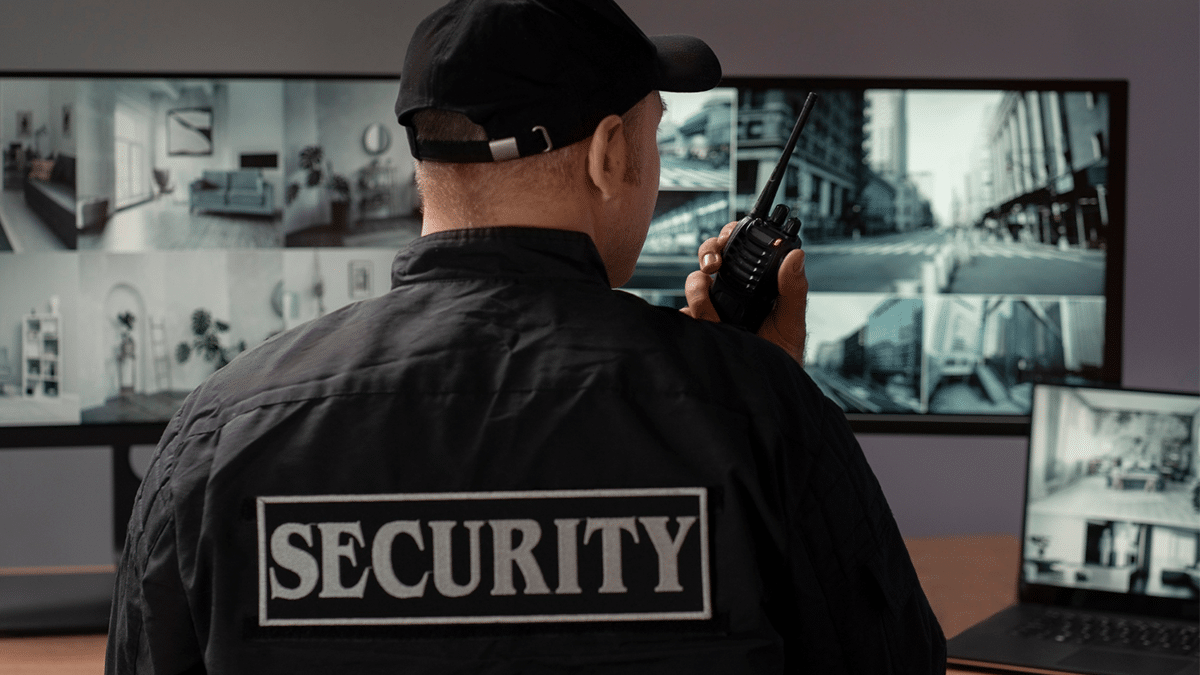
A strong security presence deters crime by making risks visible and immediate. Regular patrols and active patrolling discourage trespassing and littering by removing opportunities for criminals to operate unnoticed. When uniformed guards move through a property on a consistent schedule, they reinforce security strategies that rely on visibility, authority, and rapid response rather than reaction after losses occur.
A well-designed security plan combines human patrols with surveillance cameras to create continuous coverage across entrances, high-traffic areas, and vulnerable zones. Guards watch behavior in real time while cameras extend visibility beyond line of sight, allowing teams to identify suspicious activity early and intervene before incidents escalate. This layered approach turns routine monitoring into proactive protection, reducing crime and maintaining a safer environment for employees, visitors, and assets.
Visible Presence as a Powerful Deterrent
Visible security presence is one of the most effective ways to prevent crime before it happens. Security officers who patrol and monitor properties create a psychological barrier that deters loitering, theft, vandalism, and other criminal activities. Their presence signals that the area is under observation and that any suspicious behavior is likely to be noticed and addressed immediately. In addition to physical visibility, trained security officers use professional techniques to watch for unusual patterns of behavior, such as people lingering near entrances or attempting to bypass security checkpoints, which allows them to intervene before incidents escalate into security breaches.
Effective security guard services integrate access control systems with human observation to ensure that only authorized personnel enter sensitive areas. This may include checking identification credentials, verifying visitor purposes, and maintaining logs of entries and exits. Security officers combine these measures with CCTV monitoring, allowing them to observe multiple points simultaneously and respond quickly to suspicious activity. The combination of human oversight and technology ensures that businesses and communities remain safe while minimizing the likelihood of breaches or unauthorized access.
Guard services also play a crucial role in building a sense of community safety. Security officers often act as points of contact for residents, employees, and visitors, providing assistance, guidance, and reassurance. This interaction helps cultivate trust between security personnel and the community they serve, encouraging residents and employees to report suspicious behavior or potential security risks. In commercial spaces, security guards positioned strategically near entrances, parking areas, or high-value zones reduce opportunities for theft and property damage while reinforcing the importance of access control protocols.
In high-traffic areas, such as shopping centers, office buildings, and mixed-use developments, layered security strategies further enhance protection. CCTV systems capture continuous video evidence that can be reviewed after incidents occur, while security officers patrol key areas, observe behavioral cues, and maintain communication with supervisors or local law enforcement when necessary. These proactive measures reduce response times and prevent minor incidents from developing into significant security breaches.
Ultimately, professional security guard services provide more than just physical protection—they create an environment where the community feels safe, employees can work without fear, and businesses can operate with confidence that their assets and people are protected. By combining visible security presence, access control, advanced monitoring, and active community engagement, security officers deliver comprehensive solutions that deter crime, prevent unauthorized access, and uphold the safety and integrity of every property they protect.
Proactive Monitoring and Suspicious Activity Detection
Private security guards serve as a visible deterrent that helps protect residential communities from potential security threats. Their presence alone signals that an area is actively monitored, discouraging criminals from attempting unauthorized access, vandalism, or theft. These professionals go beyond simply standing at entry points—they conduct regular security patrols, observing the environment for unusual activity and identifying risks before they escalate into actual incidents.
Effective security measures combine human vigilance with strategic monitoring. Guards are trained to recognize patterns of behavior that indicate potential criminal intent, such as loitering near vulnerable areas, repeated attempts to test entry points, or coordinated movements that could suggest planning for theft or vandalism. By understanding normal activity in residential communities, security personnel can quickly detect deviations and respond appropriately, preventing incidents before they occur.
In addition to monitoring people, private security guards also assess environmental vulnerabilities. They check gates, fences, common areas, and parking lots for weaknesses, ensuring that all access points remain secure. Surveillance of these critical zones, paired with the ability to act immediately, allows guards to respond to threats in real time, whether that means confronting intruders, contacting law enforcement, or coordinating a lockdown.
This proactive approach creates safer residential communities by reducing opportunities for criminal activity, maintaining order, and providing peace of mind for residents. Visible security patrols not only prevent crimes but also reinforce the effectiveness of broader security measures, ensuring that the community remains protected, well-monitored, and prepared against emerging threats.
Controlled Access and Real-Time Incident Prevention
Residential security guards in Dallas play a crucial role in protecting homes, apartment complexes, and gated communities by combining human observation with advanced security technology. While surveillance technology and security footage provide a constant eye on entrances, perimeters, and common areas, trained guards interpret these signals in real time, spotting suspicious behavior or patterns that automated systems alone might miss. Their presence acts as both a deterrent to potential shoplifting, trespassing, or other security breaches and as an immediate response force should an incident occur.
Effective security protocols integrate signage, access control, and surveillance technology with on-the-ground personnel. Clear signs warn visitors that the area is monitored, creating a visible deterrent, while security guards enforce access rules, check credentials, and maintain order in lobbies, parking structures, and community entrances. By combining human judgment with digital monitoring, residential security guards ensure that every entry and exit is observed, and any anomalies are addressed swiftly.
Security personnel also review security footage to identify trends, track suspicious activity, and adjust patrols or security measures as needed. This ongoing analysis strengthens protection by allowing guards to anticipate potential risks and respond proactively. In Dallas, this combination of vigilant residential security guards and integrated security technology creates safer communities, deters criminal activity, and gives residents confidence that their homes and shared spaces are well protected.
Rapid Response and Coordination with Authorities
On-site security guards serve as critical first responders, initiating emergency protocols and coordinating directly with police, fire departments, and ambulance services when incidents occur. Their immediate presence allows them to contain situations before they escalate, protecting both people and property from further harm. By securing affected areas, collecting evidence such as video footage and witness accounts, and providing detailed briefings to responding authorities, security teams ensure that law enforcement and emergency personnel can act quickly and efficiently.
Security personnel facilitate rapid emergency action by executing safety procedures within seconds, safeguarding critical evidence, and guiding employees and visitors to secure areas. They maintain constant communication with police through radios and phone lines, providing essential details such as building layouts, access points, suspect descriptions, and vehicle information. During crises, guards manage the scene by controlling crowd movement, directing people to designated assembly areas, and producing thorough incident reports that comply with OSHA regulations and local safety ordinances.
By bridging private facilities and public safety organizations, security teams enhance overall emergency response effectiveness. Their familiarity with building layouts, security systems, and internal emergency contacts allows firefighters, paramedics, and law enforcement to respond with greater speed and accuracy. Coordinated efforts between on-site guards and authorities reduce property damage, minimize injuries, and create a safer environment for employees, residents, and customers alike.
Areas that Need Security Protection
In cities across the Dallas–Fort Worth area, including Arlington, Carrollton, Cedar Hill, Euless, Garland, Grapevine, Irving, Lemisville, Mesquite, Plano, Red Oak, Richardson, Sunnyvale, and Dallas itself, businesses and residential complexes rely on layered security to protect critical spaces. Different areas of a property require tailored protection based on the value of what’s inside, the potential consequences of unauthorized access, and the personnel who should be allowed entry. High-value or sensitive zones demand the combined use of surveillance technology, professional security officers, and strict access protocols to prevent theft, data breaches, and operational disruption.
Warehouses and distribution centers store products and materials that can attract criminals. Security teams patrol perimeter fences, parking lots, and loading docks where delivery trucks arrive and depart, covering areas that cameras may miss. Loading docks are particularly vulnerable because of the constant movement of goods, making proactive monitoring essential.
Server rooms and data centers hold critical computer systems and sensitive business information. Unauthorized access to these areas could result in costly downtime, data theft, or network disruptions. Security officers verify identification badges, maintain visitor logs, and monitor all entries and exits to ensure only authorized personnel gain access. By placing attention and resources on high-risk zones while maintaining overall surveillance coverage, businesses in these cities can achieve a strong security posture without unnecessary operational costs.