
How Commercial Crime Patterns Are Changing in Dallas
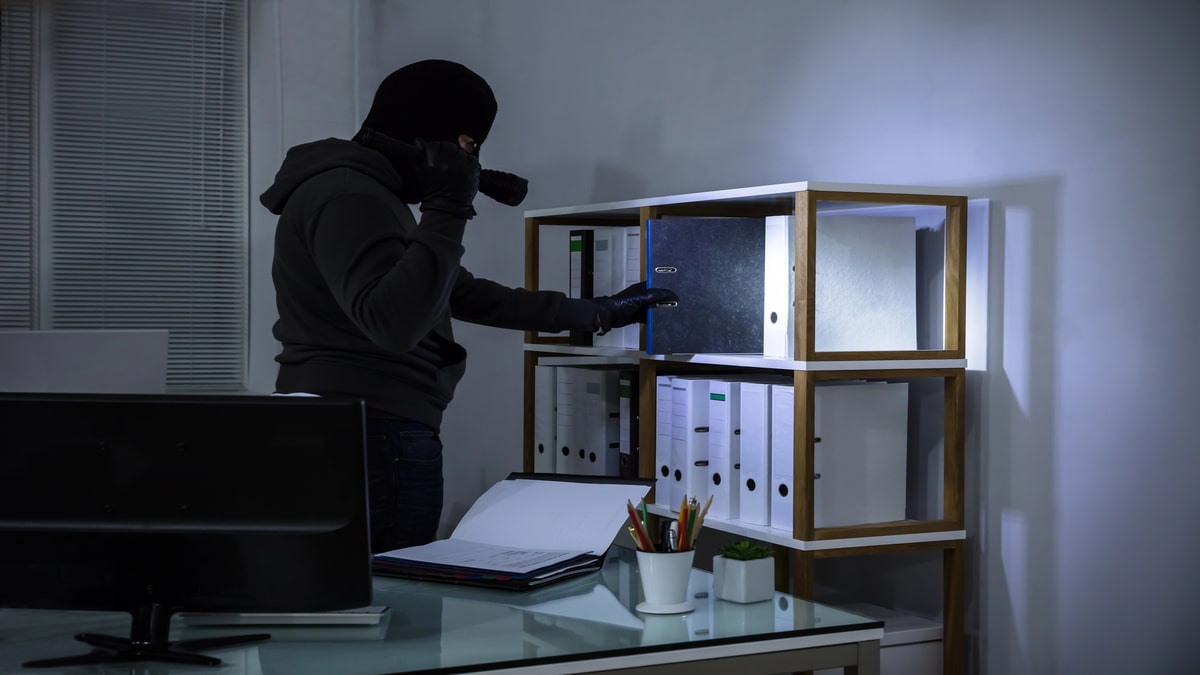
In Dallas, commercial crime patterns have shifted significantly over the past two years, with notable increases in robberies, break-ins, and organized retail theft. Businesses are now facing new and evolving security threats that require updated strategies to protect their assets and ensure safety.
Dallas businesses are facing new and evolving security threats. Over the past two years, Dallas commercial crime trends have shown significant increases in robberies, break-ins, and organized retail theft.
According to Dallas Police Department reports, robberies at commercial properties increased by 23% while business break-ins rose by 31%. These incidents are affecting retail stores, restaurants, convenience stores, and office buildings throughout the city.
Understanding how commercial crime in Dallas is changing helps business owners strengthen security strategies, protect employees, and reduce financial losses.
Business Robberies and Break-Ins Are Increasing in Dallas
Crime reports show a noticeable rise in attacks targeting Dallas businesses. Robberies and burglaries are becoming more organized, with criminals studying business routines and security weaknesses.
Burglars often strike during hours when buildings are empty and security visibility is low.
Common Times Criminals Target Businesses
Dallas police reports show clear timing patterns for commercial crimes.
Most break-ins occur during:
- 2 AM – 5 AM when businesses are closed
- Late-night hours when security presence is minimal
- Early morning periods before employees arrive
Robberies typically occur:
- During store closing times
- When employees handle cash or deposits
- When staffing levels are low
Businesses that maintain predictable routines may become easier targets for criminals.
Small Businesses Face Higher Risk
Small businesses are often targeted more frequently than larger companies.
Criminals may choose these locations because they often have:
- Limited security budgets
- Fewer surveillance cameras
- Weak exterior lighting
- Minimal overnight monitoring
When break-ins occur, business owners face several costly problems:
- Stolen inventory
- Damaged doors or windows
- Broken locks and alarm systems
- Business interruption and insurance claims
Investing in stronger commercial security systems in Dallas can significantly reduce these risks.
Property Crime Remains the Biggest Threat to Dallas Businesses
Property crimes such as theft, burglary, and vandalism represent 78% of all crimes against businesses in Dallas.
Retail stores, restaurants, and convenience stores experience the highest number of incidents.
These crimes often happen when buildings are closed and unoccupied.
Areas Where Property Crime Happens Most
Certain commercial areas experience higher crime rates.
Businesses may face increased risk when located in:
- Shopping centers near major highways
- Retail districts with limited nighttime activity
- Areas with poor lighting or visibility
- Parking lots with minimal surveillance
Criminals typically prefer locations where they can enter and exit quickly without attracting attention.
Security Measures That Reduce Property Crime
Dallas businesses can lower their risk of property crime by implementing basic security improvements.
Effective measures include:
- Installing motion-activated lighting around entrances and parking areas
- Using high-security locks and reinforced doors
- Installing commercial surveillance camera systems
- Adding alarm monitoring services
- Keeping storefronts well-lit at night
These simple upgrades can make a business far less attractive to criminals.
Organized Retail Crime and Flash Mob Thefts Are Growing
One of the most concerning Dallas crime trends is the rise of organized retail theft.
Police reports show that organized retail crime groups account for 42% of store theft cases in Dallas.
Unlike traditional shoplifting, these groups plan their crimes carefully and target valuable merchandise.
How Organized Retail Crime Groups Operate
Organized theft groups typically:
- Study store layouts and security systems
- Target high-value items such as electronics and luxury goods
- Coordinate multiple participants during the theft
- Quickly sell stolen products online or through underground networks
These organized theft incidents cause much greater losses than individual shoplifting.
Average losses include:
- $8,400 per organized theft incident
- $340 per individual shoplifting case
Flash Mob Theft Incidents Are Increasing
Flash mob thefts have become a major concern for retailers.
These incidents occur when multiple individuals rush into a store at the same time and quickly steal merchandise.
Dallas police reports show flash mob thefts have increased 28% since 2022.
These attacks create several challenges:
- Store employees cannot safely stop large groups
- Theft occurs within seconds or minutes
- Stolen goods are difficult to recover
Retailers must rely on surveillance technology and rapid law enforcement response to combat these coordinated crimes.
Dallas Businesses Are Investing More in Security
As crime patterns evolve, Dallas business owners are responding with stronger security investments.
Data shows businesses increased security spending by 34% over the past two years.
Companies are focusing on technologies that prevent theft and improve response times.
Security Technologies Businesses Are Adopting
Many Dallas businesses are installing advanced protection systems, including:
- AI-powered security cameras with facial recognition
- License plate recognition systems in parking areas
- Electronic anti-theft product tags
- Access control systems for employee-only areas
These tools allow security teams to detect suspicious behavior and respond quickly.
Collaboration Between Businesses Improves Safety
Businesses are also improving safety through cooperation and information sharing.
Many retailers now participate in local crime prevention networks that allow them to share security information.
These networks help businesses:
- Identify repeat offenders
- Track organized retail crime groups
- Share surveillance footage with law enforcement
- Warn nearby stores about suspicious activity
Working together allows Dallas businesses to respond more effectively to changing crime trends.
How Dallas Businesses Can Strengthen Security
Business owners can reduce their risk by taking proactive security measures.
Recommended security strategies include:
- Installing high-definition surveillance cameras
- Adding motion-activated lighting around the property
- Using alarm systems with professional monitoring
- Training employees on theft prevention and safety procedures
- Coordinating with Dallas law enforcement and business associations
A layered security strategy helps prevent crimes before they happen while improving response during emergencies.
Understanding Dallas Crime Trends Helps Businesses Stay Protected
Commercial crime patterns in Dallas continue to evolve as organized theft groups become more sophisticated.
Businesses that monitor Dallas commercial crime trends can adapt their security strategies and reduce their exposure to theft, burglary, and robbery.
By investing in modern surveillance systems, employee training, and collaboration with law enforcement, Dallas businesses can create safer environments for employees, customers, and the surrounding community.
Dallas businesses are experiencing a rise in commercial crime, with significant increases in robberies and break-ins over the past two years. Understanding these evolving threats is essential for business owners to enhance security and protect their assets.
- Robberies at commercial properties increased by 23% and break-ins rose by 31%.
- Small businesses are often more vulnerable due to limited security resources and predictable routines.
- Investing in advanced security measures and collaborating with local networks can help mitigate risks.